Accommodations & Stays
Canada’s accommodation landscape extends far beyond standard hotels and motels. From heritage lighthouses perched on Atlantic coastlines to off-grid eco-retreats nestled in British Columbia’s rainforests, the country offers lodging experiences as diverse as its geography. Each accommodation type brings its own set of expectations, booking challenges, and budget considerations that can significantly impact your travel experience.
Understanding these options—and their practical realities—empowers you to match your stay to your travel goals, whether you’re seeking urban sophistication, mountain adventure, or remote wilderness immersion. This resource walks through Canada’s primary accommodation categories, the booking mechanics that govern them, and the strategic decisions that separate disappointing stays from memorable ones.
Understanding Canada’s Accommodation Spectrum
Canadian accommodations fall into distinct categories, each serving different traveler priorities. Think of this spectrum as ranging from highly serviced (luxury urban hotels with concierge teams) to entirely self-sufficient (backcountry campsites requiring your own water filtration). Your position on this spectrum determines everything from your packing list to your budgeting approach.
From Heritage Landmarks to Modern Retreats
The country’s accommodation diversity reflects its historical evolution and geographic vastness. Heritage properties—including restored lighthouses managed by organizations like Parks Canada—offer architectural significance but often require compromising on modern amenities. A lighthouse stay might mean climbing 60+ stairs with all your luggage and accepting that storm seasons bring dramatic views alongside potential access disruptions.
Conversely, purpose-built eco-retreats incorporate sustainable design from the ground up, featuring composting toilets and solar arrays as intentional elements rather than compromises. These aren’t rustic cabins with outdated plumbing—they’re engineered systems where the “off-grid” designation represents a philosophy, not a deficiency.
Matching Stay Type to Your Travel Goals
The most common accommodation mistakes stem from misaligned expectations. Choosing a remote property when you need reliable cell service for work calls creates frustration that no scenic vista can remedy. Similarly, booking an urban luxury hotel when your priority is wilderness access means paying premium rates for amenities you won’t use.
Before filtering by price or star ratings, clarify your non-negotiable requirements:
- Connectivity needs: Do you require high-speed internet, or is digital detox your goal?
- Mobility considerations: Can you manage stairs, uneven terrain, or winter access roads?
- Service expectations: Do you want daily housekeeping and concierge support, or self-catering independence?
- Group dynamics: Are you traveling solo, as a couple, or coordinating a multi-family gathering?
Unique Canadian Properties: Lighthouses and Historic Stays
Canada maintains numerous heritage lighthouses available for overnight stays, particularly across Nova Scotia, Newfoundland and Labrador, and British Columbia. These properties appeal to history enthusiasts and those seeking atmospheric experiences, but they demand specific preparations that conventional hotel stays don’t require.
Navigating Access and Comfort Expectations
Heritage lighthouse accommodations typically occupy active or decommissioned navigational sites in remote coastal locations. Access might involve unpaved roads, boat transfers, or lengthy walks from parking areas. The Quirpon Lighthouse Inn in Newfoundland, for example, requires guests to arrange boat transport to the island location—a logistical element that becomes weather-dependent.
These properties preserve historical architecture, which often means steep spiral staircases, compact rooms designed for lighthouse keepers’ quarters, and limited electrical outlets. Modern retrofits add heating and basic plumbing, but the structures themselves resist extensive modification due to heritage designation rules. Understand that “rustic charm” in listing descriptions translates to tangible compromises: uneven floors, single-pane windows with drafts, and minimal soundproofing.
Seasonal Considerations for Remote Properties
Coastal lighthouse stays offer dramatically different experiences by season. Storm seasons—typically late fall through early spring on both coasts—deliver the most theatrical ocean views with waves crashing against rocky headlands. However, these same conditions can strand guests beyond their planned departure when boat services suspend operations or access roads become impassable.
Booking during shoulder seasons (late spring or early fall) balances accessibility with atmospheric conditions. You’ll still witness impressive seas without the extreme isolation risks that winter storms bring. Always confirm cancellation policies that account for weather-related access issues—reputable operators build this flexibility into their terms.
Mountain Accommodations: Ski Resorts and Alpine Chalets
Mountain lodging in Canada centers primarily around ski resort towns—Whistler, Banff, Mont-Tremblant, and dozens of smaller operations—but extends to year-round alpine chalets serving hiking and mountain biking seasons. These accommodations range from slopeside luxury hotels to private rental chalets accessible only by snowmobile.
Ski Resort Planning and Timing
Ski resort accommodations operate on inverse pricing logic compared to urban hotels: rates spike during winter weekends and holiday periods when hotels in Toronto or Vancouver see reduced demand. A standard room at a Whistler Village hotel might cost $400+ per night during Christmas week but drop below $150 in late November or April.
Understanding resort “seasons” within the ski season itself unlocks significant savings. Early season (November to mid-December) and spring skiing (late March through April) offer substantially lower accommodation rates, though with tradeoffs. Early season brings limited terrain and unpredictable snow coverage; spring skiing delivers excellent snow conditions with warm temperatures but shorter operational hours as resorts prepare for summer transitions.
Lift ticket costs compound accommodation expenses, making package deals particularly valuable. Many resorts bundle lodging with multi-day lift passes at discounts approaching 20-30% off separate purchases. These packages typically require advance booking and minimum stay lengths, but the mathematics favor packages decisively for trips exceeding two nights.
Private Chalets for Large Groups
Renting an entire chalet becomes cost-effective for groups of six or more, particularly when factoring in full kitchen access that enables grocery-based meals rather than restaurant dining for every meal. However, the private chalet market—dominated by platforms like Airbnb and VRBO—requires heightened vigilance around several common issues.
Cleaning fees on mountain chalets frequently range from $200 to $500, sometimes exceeding the nightly rate for short stays. A $300/night chalet with a $400 cleaning fee effectively costs $400/night for a two-night booking but drops to $333/night across three nights. Always calculate the total divided by nights, not the advertised nightly rate, when comparing options.
Winter access presents another critical verification point. Confirm whether the access road receives municipal plowing or requires private snow removal, and clarify if four-wheel drive or tire chains are mandatory. Properties located outside resort village cores might offer better value but demand vehicle preparations that rental car companies charge premium rates to provide.
Before finalizing any chalet booking, verify:
- Noise bylaws and enforcement practices in the specific municipality
- Maximum occupancy limits and whether they’re enforced by property managers
- Wildlife food storage requirements (mandatory in many mountain regions)
- Firewood provisions or whether you need to source your own supply
- Emergency contact protocols if heating systems fail during winter stays
Urban Luxury Hotels Across Canadian Cities
Canada’s major cities—Toronto, Vancouver, Montreal, Calgary—feature luxury hotel markets comparable to global standards, with international chains and heritage properties competing on service levels, location prestige, and amenity packages. Understanding the pricing mechanics and value extraction strategies separates efficient bookings from overpayment.
Urban hotel taxes in Canadian cities compound significantly beyond the base rate. Toronto hotel rooms incur HST (13%) plus a Municipal Accommodation Tax (currently 6%), meaning a $300 quoted rate actually costs $357 before any resort fees or parking charges. Vancouver applies similar structures with GST, PST, and additional municipal levies bringing the total tax burden above 18%.
Executive or “club” floors in luxury properties typically add $50-100 per night but include breakfast, evening appetizers, and dedicated lounge access. For solo business travelers or couples, this upgrade often delivers better value than paying separately for hotel restaurant meals, where breakfast alone might cost $35 per person. Calculate the break-even: if you’d spend more than the upgrade cost on included amenities, the premium floor justifies itself financially beyond the service enhancements.
Location within cities carries nuanced value beyond simple downtown proximity. Historic luxury properties like Montreal’s Ritz-Carlton or Toronto’s Fairmont Royal York offer architectural distinction and established service cultures but might occupy less convenient neighborhoods for specific itineraries. A Bay Street location in Toronto’s financial district excels for business travel but places you farther from cultural attractions than a lower-priced Yorkville property might.
Nature-Based Lodging: Campgrounds and Eco-Retreats
Nature-focused accommodations span a vast spectrum from developed campgrounds with electrical hookups to true wilderness camping requiring bear canisters and backcountry permits. Parks Canada and provincial park systems manage the majority of Canada’s premium camping locations, while private eco-retreats offer structured wilderness experiences with varying infrastructure levels.
National Parks Camping Reservations
Securing campsites in popular national parks—Banff, Jasper, Pacific Rim—requires understanding the reservation system timing that Parks Canada operates. Reservations typically open in January for the upcoming season, with the most desirable locations (lakefront sites, specific campground loops) booking within minutes of availability.
The system operates on a rolling release schedule where sites become available exactly a set number of months before the camping date. This means competitive booking resembles concert ticket sales more than traditional hotel reservations: you need to be online at the precise moment slots open, with your dates and campground choices pre-selected to minimize hesitation time.
Equipment requirements vary dramatically by campground type. Frontcountry campgrounds with vehicle access accommodate RVs and car camping with minimal gear sophistication. Backcountry sites demand comprehensive self-sufficiency: water purification systems, bear-proof food storage, navigation tools, and emergency communication devices. Don’t underestimate the equipment investment required for legitimate backcountry camping—insufficient preparation creates safety risks that park wardens increasingly penalize with fines.
Off-Grid Eco-Retreats
Purpose-built eco-retreats represent a distinct accommodation category that shouldn’t be confused with budget camping or rustic cabins. These properties—concentrated in British Columbia, Quebec’s Laurentians, and rural Ontario—invest heavily in sustainable infrastructure: solar power arrays, rainwater collection systems, passive heating design, and composting waste management.
“Off-grid” describes the electrical grid connection, not the comfort or amenity level. Well-designed eco-retreats provide hot water, full kitchens, and comfortable bedding through renewable energy systems and thoughtful engineering. The premium pricing these properties command (often $250-400 per night) reflects infrastructure costs rather than luxury branding.
Composting toilets and greywater systems require brief operational orientations but function intuitively once understood. These aren’t primitive outhouses—modern composting systems operate odorlessly when properly maintained and represent sophisticated waste management that reduces environmental impact without sacrificing hygiene.
Digital connectivity varies intentionally. Some retreats market “digital detox” as a feature, providing zero cell service or internet access by design. Others install satellite internet for guests who need periodic connectivity. Clarify your requirements explicitly during booking—assumptions about modern connectivity expectations lead to the most common guest-operator conflicts in this accommodation segment.
Universal Booking Strategies and Budget Planning
Regardless of accommodation type, certain booking principles optimize both cost and experience quality. Timing flexibility remains the single most powerful variable under your control: shifting travel dates by even a few days can halve accommodation costs when it moves you from peak to shoulder season, or from weekend to weekday in urban markets.
Direct booking with properties—rather than through third-party platforms—increasingly offers better rates and certainly provides better recourse if issues arise. Hotels and independent properties pay substantial commissions to booking platforms (15-25%), costs they can share with direct bookers through rate matching or upgrade incentives. Loyalty programs, even free-tier memberships, unlock rates that public booking engines don’t display.
Budget planning should account for the total accommodation cost, including inevitable add-ons:
- Parking fees ($25-50 per night in major cities)
- Resort fees (less common in Canada than the United States, but present at some properties)
- All applicable taxes (often 15-20% in major cities)
- Cleaning fees for private rentals
- Damage deposits or hold amounts
A listed $200 per night rate can easily become $275+ after these compounding factors. Building 30-40% buffers into initial budget estimates prevents the common trap of booking accommodations that consume disproportionate shares of total travel budgets, leaving insufficient funds for the activities that justified the trip.
Canadian accommodations reward research and strategic planning with experiences ranging from heritage immersion to wilderness solitude to urban sophistication. The key lies not in finding the “best” accommodation objectively, but in matching properties to your specific priorities, comfort requirements, and budget realities. Each stay type offers distinct value—understanding their mechanics ensures your lodging enhances rather than compromises your travel objectives.
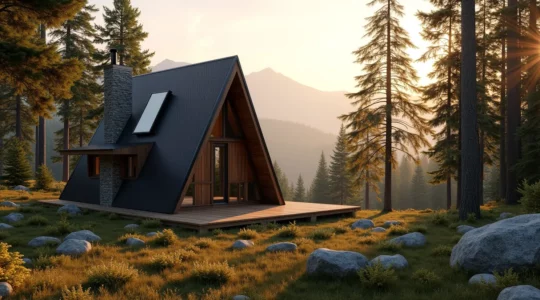
Staying at Eco-Friendly Retreats: The Auditor’s Guide to Off-Grid Comfort in Canada
The fantasy of a Canadian eco-retreat is a luxury hotel in the wild; the reality is a valuable lesson in…
Read more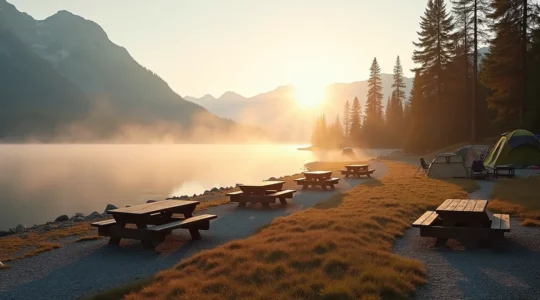
Booking Lakeside Campgrounds: Surviving the Parks Canada “Launch Day” Frenzy
Scoring a prime Parks Canada campsite isn’t about luck; it’s a zero-sum game you can win with the right strategy….
Read more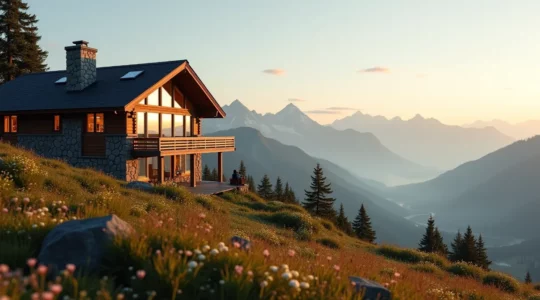
A Property Manager’s Guide to Renting a Mountain Chalet in Canada: Avoiding Scams & Group Nightmares
Successfully renting a large Canadian chalet isn’t about finding a deal; it’s about mastering the logistical and legal liabilities you…
Read more
Booking Luxury in Canada: Is the Fairmont “Heritage Premium” Worth an Extra $300 a Night?
The “Fairmont premium” is only worth the cost if you value historic ambiance and grand public spaces over modern room…
Read more
Alpine Skiing in Canada: Budgeting for a Slope-Side Vacation
The secret to an affordable Canadian ski vacation isn’t about skipping meals; it’s about understanding the system of pricing deadlines,…
Read more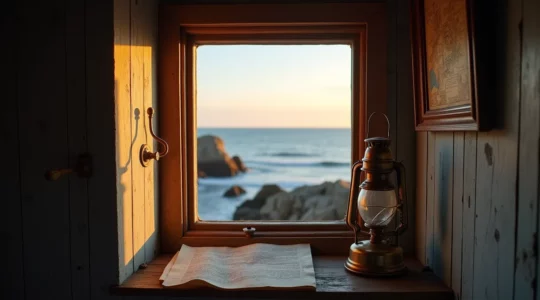
Beyond the Postcard: A Practical Guide to Staying in Canada’s Historic Lighthouses
Securing a stay in a Canadian heritage lighthouse is less about luck and more about a strategic approach to booking…
Read more