Activities & Leisure
Canada’s vast geography offers an extraordinary range of activities that few nations can match. From the Rocky Mountains rising dramatically from the prairies to the pristine lakes of the Canadian Shield, from Arctic tundra where the northern lights dance overhead to coastal rainforests teeming with wildlife, this country presents endless opportunities for adventure, cultural discovery, and personal renewal. Whether you’re drawn to adrenaline-fueled pursuits or contemplative experiences in nature, understanding the fundamentals of each activity ensures both safety and satisfaction.
The diversity of Canada’s leisure landscape reflects its climate extremes, ecological variety, and rich cultural heritage. Activities here often require specialized knowledge—recognizing altitude sickness symptoms at high elevation, understanding thermal shock principles in Nordic spas, or identifying authentic Indigenous art from mass-produced imitations. This article provides the foundational knowledge you need to approach these experiences with confidence, covering everything from wilderness expeditions to cultural immersion, so you can make informed decisions that align with your interests and abilities.
Wilderness Adventures: Mountain and Backcountry Experiences
Canada’s mountain ranges and backcountry regions attract adventurers seeking solitude and challenge. These environments demand respect, preparation, and specific skills that go beyond everyday outdoor recreation.
High-Altitude Hiking in the Rockies
The Canadian Rockies present unique physiological challenges as elevation increases. Above 2,400 meters, the reduced oxygen availability can trigger altitude sickness, manifesting as headaches, nausea, and disorientation. Physical preparation should focus on cardiovascular endurance rather than altitude-specific lung training—a common misconception, since your lungs don’t actually “adapt” before you arrive. Instead, arriving a day early to acclimatize at moderate elevation proves far more effective than any pre-trip breathing exercises.
Timing matters significantly in mountain environments. Early summer presents avalanche risks from unstable snowpack, while late August through September offers stable weather windows and reduced insect populations. Equipment weight becomes critical when every kilogram affects your energy expenditure at elevation. Experienced hikers often replace traditional gear with ultralight alternatives, shaving 30-40% off pack weight without compromising safety—switching from a cotton sleeping bag to a down quilt, or replacing a multi-tool with specific essential items.
Backcountry Canoe Camping Techniques
Paddle-accessed wilderness remains one of Canada’s most rewarding experiences, particularly across the vast lake networks of Ontario, Quebec, and the Northwest Territories. Mastering the portage technique—carrying your canoe and gear overland between water bodies—separates casual paddlers from serious trippers. The traditional shoulder carry distributes the canoe’s weight across your upper back, but proper form requires keeping your spine neutral and engaging your core muscles rather than relying solely on neck strength.
Loading a canoe follows precise principles: heavy items center-line and low, with weight distributed to place the boat slightly stern-heavy for better tracking. On large lakes like Lake Superior or Great Slave Lake, understanding wind patterns becomes essential—morning calm typically gives way to afternoon winds, so experienced trippers rise early to cover open water before conditions deteriorate. Food storage presents a constant challenge in areas populated by black bears; the bear hang technique requires suspending provisions at least four meters high and two meters from tree trunks, a skill that takes practice to execute efficiently in fading daylight.
Arctic and Winter Sports: Thriving in Extreme Conditions
Canada’s northern latitudes and harsh winters have cultivated a unique culture around cold-weather activities. Success in these environments hinges on understanding both your equipment and your body’s responses to extreme conditions.
Arctic Expeditions and Extreme Sports
Activities in Canada’s Arctic region—whether dog sledding across sea ice, kite skiing on frozen lakes, or multi-day ski expeditions—demand understanding of cold-induced injuries that can progress rapidly. Hypothermia often begins subtly with shivering and poor coordination before advancing to confusion and potential collapse. The insidious nature of this condition means self-monitoring becomes unreliable; this is why guided expeditions aren’t merely convenient—they’re essential for safety. Experienced Arctic guides recognize the early behavioral signs that individuals themselves miss.
Clothing strategies for extreme exertion in cold environments differ dramatically from casual winter wear. The challenge involves managing moisture from perspiration while maintaining warmth—a balance that requires layering systems designed for active use. Base layers should be synthetic or merino wool rather than cotton, which retains moisture. Many novices overdress initially, leading to sweat accumulation that later causes dangerous cooling. The saying in Arctic circles holds true: “If you’re warm at the start, you’ll be cold at the finish.”
Snowboarding Culture and Terrain Selection
Canada’s snowboard scene has evolved from counterculture origins to mainstream winter sport, with distinct resort personalities across British Columbia, Alberta, and Quebec. Understanding terrain classifications helps match your skill level to appropriate runs. Green circles indicate beginner slopes, but these vary significantly—a green run at Whistler might challenge someone comfortable on Ontario’s gentler hills. Blue squares denote intermediate terrain, while black diamonds and double-blacks require advanced skills and strong edge control.
Avoiding “flat” sections matters more than many realize, particularly for snowboarders who lack the poles skiers use for propulsion. Trail maps typically indicate these momentum-killing zones, but local knowledge proves invaluable. The rental-versus-ownership decision hinges on frequency: riding fewer than ten days annually generally favors renting, allowing access to current equipment technology without storage hassles or maintenance costs. Season selection affects both conditions and crowds—January offers the deepest snowpack, while March provides longer daylight and warmer temperatures.
Water-Based Activities: From Peaceful Paddles to Whitewater Thrills
Canada’s abundance of rivers and lakes supports water activities ranging from contemplative to intense. Each demands specific knowledge to ensure both enjoyment and safety.
Northern Fishing Expeditions by Floatplane
Remote fly-in fishing lodges across northern Canada offer access to pristine waters where lake trout, northern pike, and Arctic grayling thrive in populations unaffected by road-accessible pressure. These trips require logistical planning that differs from typical vacations. Weight restrictions on floatplanes are absolute—pilots calculate loading based on fuel requirements and passenger weight. Surprisingly, alcohol contributes significantly to baggage weight; a case of beer can consume 15 kilograms of your allowance, limiting space for clothing or photography equipment.
Understanding the “American Plan” versus other meal arrangements prevents confusion. This all-inclusive approach provides all meals and typically shore lunches, while “housekeeping” plans require bringing and preparing your own food. Species targeting affects tackle selection and techniques—trophy lake trout require deep-water trolling with heavy gear, while northern pike respond to aggressive topwater presentations in shallow bays. Current regulations establish possession limits to ensure sustainable fisheries, with specific quotas varying by province and species.
Whitewater Rafting: Class Selection and Safety Protocols
Canada’s rivers offer whitewater experiences from gentle floats to expert-only descents. The International Scale of River Difficulty classifies rapids from Class I (moving water with small waves) through Class VI (nearly impossible and extremely dangerous). Beginners should start with Class II rapids, which provide excitement without significant risk. Class III introduces larger waves and requires maneuvering, while Class IV and above demand previous experience and strong swimming ability.
Timing your trip affects both water levels and temperature. Spring runoff creates higher volumes and more powerful rapids, while late summer often produces technical, rock-dodging runs at lower flows. Cold-water immersion presents serious risks—even in summer, glacier-fed rivers maintain temperatures that can induce cold-water shock within minutes of unexpected ejection from the raft. Proper equipment includes wetsuits in colder conditions, and outfitters should provide detailed briefings on self-rescue techniques and what to do if separated from the group. Verifying whether your travel insurance covers whitewater activities prevents unwelcome surprises should injuries occur.
Wildlife Observation: Ethics, Safety and Best Practices
Canada’s biodiversity includes iconic species like grizzly bears, polar bears, moose, and caribou. Observing these animals safely and ethically requires understanding both regulations and animal behavior.
National and provincial parks enforce strict distance requirements—typically 100 meters from bears and other large carnivores, with violations resulting in substantial fines that can reach several thousand dollars. These aren’t arbitrary numbers; they represent distances at which animals don’t perceive humans as immediate threats, reducing stress on wildlife and danger to observers. The increasingly common phenomenon of “bear jams”—traffic congestion caused by roadside bear sightings—creates problematic conditions where crowds of photographers inadvertently surround animals, potentially triggering defensive responses.
Carrying bear spray in grizzly country is essential, but proper deployment requires training. The canister should remain accessible on your hip belt, not buried in your pack. Effective range is approximately seven meters, and you deploy it in a sweeping pattern creating a fog barrier rather than directly “spraying” the animal. Different observation methods suit different goals: vehicle-based viewing offers safety and comfort while limiting mobility, guided walks provide educational context and experienced safety oversight, and photography blinds allow close encounters with minimal disturbance to wildlife behavior.
Telephoto lenses enable ethical photography that maintains appropriate distances. A 400mm lens or longer allows frame-filling images of large mammals while respecting their space. Recent technological improvements in image stabilization have made these previously unwieldy lenses manageable for amateur photographers, democratizing responsible wildlife photography.
Cultural Immersion: Indigenous Art and Wellness Traditions
Canada’s leisure landscape extends beyond physical activities into cultural and wellness experiences that reflect the nation’s heritage and contemporary values.
Authenticating and Acquiring Indigenous Art
Indigenous art represents both cultural expression and potential investment, but the market contains significant quantities of counterfeit pieces manufactured overseas. Authentic works typically include documentation of the artist’s name, community, and sometimes a certificate of authenticity. The Inuit Art Foundation operates an igloo tag program certifying genuine Inuit-made pieces. Learning to recognize regional styles helps identify suspect pieces—West Coast formline art employs specific design principles fundamentally different from Eastern Woodland beadwork traditions or Plains quillwork.
Value assessment requires understanding both artistic merit and market trends. Established artists command premium prices, but emerging talents offer acquisition opportunities at lower entry points. Reputable galleries provide provenance documentation and often guarantee authenticity, while informal markets carry higher risk. Shipping considerations become important for larger pieces like stone sculptures; specialized art shippers understand proper crating and insurance requirements, with costs varying significantly based on destination and piece fragility.
Nordic Spa Thermal Cycling: Protocols and Benefits
The Nordic spa tradition has flourished across Canada, particularly in Quebec where Scandinavian-inspired facilities emphasize the thermal cycle—alternating between hot, cold, and rest phases. This practice offers cardiovascular benefits and stress reduction, but requires understanding proper technique to avoid discomfort or health risks. The cycle begins with heat exposure (hot tubs, saunas, or steam rooms) for 10-15 minutes, followed by cold immersion lasting 10-30 seconds, then a rest period of equal or longer duration than the heating phase.
The cold plunge induces thermal shock—an intense physiological response that releases endorphins and constricts blood vessels. First-timers should enter cold water gradually rather than jumping, focusing on controlled breathing to manage the instinctive gasping response. Many facilities maintain silence policies to preserve the meditative atmosphere; conversations should occur only in designated social areas. Proper hydration proves essential since heat exposure increases fluid loss through perspiration, yet people often underestimate their water needs in cold-weather spa environments.
Swimsuit selection matters more than appearance suggests—loose-fitting suits create uncomfortable air pockets when moving between pools, while performance fabrics dry quickly during rest periods. Most facilities prohibit cotton materials in pools due to fiber shedding and prolonged water retention.
Whether you’re preparing for a backcountry canoe expedition, learning to identify authentic Indigenous artwork, or experiencing your first thermal spa cycle, success in Canadian leisure activities comes from understanding the specific requirements and cultural contexts of each pursuit. These experiences connect you to the country’s natural grandeur and cultural richness, transforming simple recreation into meaningful personal growth.
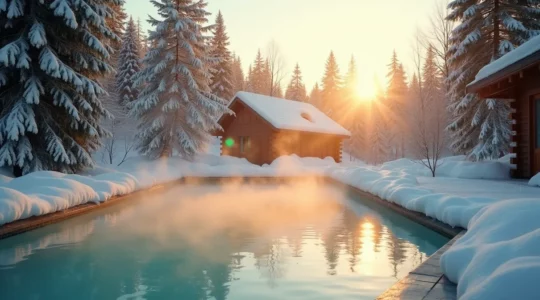
Mastering the Nordic Thermal Cycle: The Unspoken Rules and Core Benefits of Canada’s Top Spas
The true benefits of a Canadian Nordic spa are unlocked not just by following the rules, but by understanding the…
Read more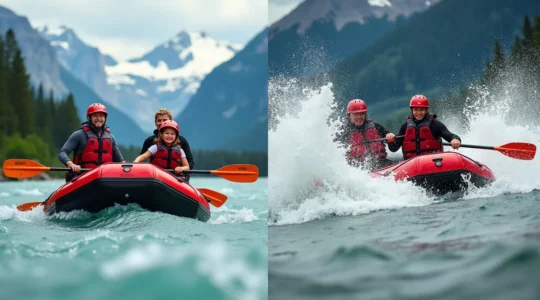
Whitewater Rafting in Canada: Choosing Between Family Fun and Class V Adrenaline
Your safety on a Canadian river isn’t determined by the rapid’s class number, but by your brutally honest answer to…
Read more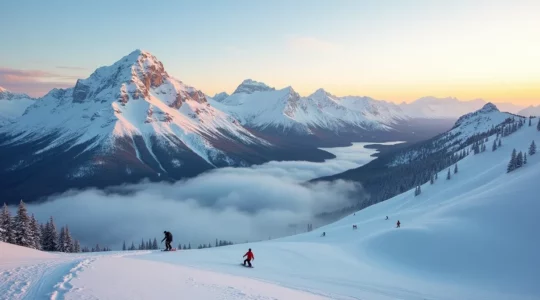
Snowboarding in Canada: A Rider’s Guide to Real Powder and Park Culture
Finding the best snowboarding in Canada isn’t about resort size; it’s about rider-centric flow and authentic culture. True “steep-and-deep” is…
Read more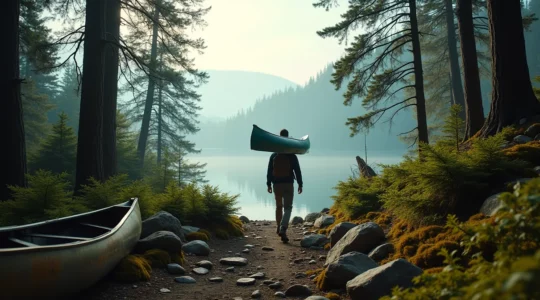
Canoeing Backcountry Routes: Mastering the Art of the Portage
The secret to a successful canoe portage isn’t brute strength, but mastering a system of leverage, balance, and strategic energy…
Read more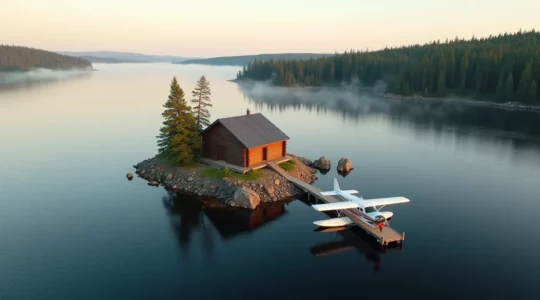
Planning a Fly-In Fishing Trip: Logistics for Remote Northern Ontario Lodges
The success of your dream fly-in trip is decided long before the floatplane leaves the dock; it’s won in the…
Read more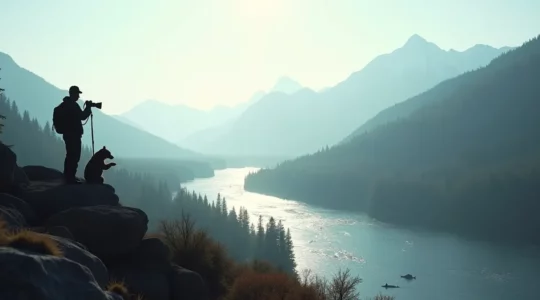
Wildlife Viewing Ethics in Canada: Observing Bears and Moose Without Harm
The thrill of seeing a bear or moose in the wild must be balanced with a strict, non-negotiable ethical code…
Read more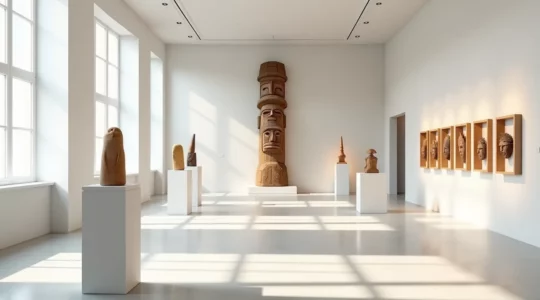
Buying Indigenous Art: A Curator’s Guide to Identifying Authenticity in Canada
Acquiring authentic Indigenous art is an investment in cultural sovereignty, not just a purchase. Authenticity is confirmed by understanding systems…
Read more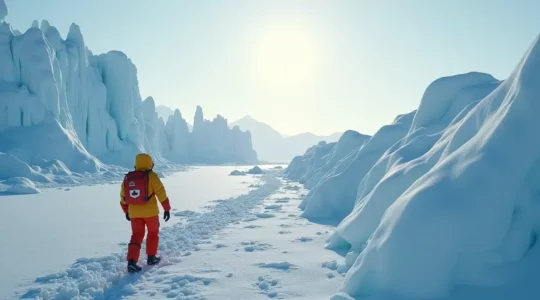
Arctic Adventures for Adrenaline Junkies: Are You Physically Prepared for Canada’s North?
The greatest danger in the Canadian Arctic isn’t the cold; it’s the sweat you produce trying to fight it. High-exertion…
Read more
Chasing Auroras: A Tactical Guide to Seeing the Northern Lights in Canada
Success in aurora chasing isn’t luck; it’s a science of mastering overlooked variables beyond the basic KP index. True aurora…
Read more
Hiking Rocky Mountain Peaks: Safety Protocols for High-Altitude Trails
In summary: Proactive acclimatization starting two weeks before your hike is non-negotiable to prevent severe altitude sickness. Mastering timing is…
Read more