Cities & Regions
Canada’s vast geography creates a tapestry of cities and regions so distinct they might as well belong to different countries. From Arctic communities accessible only by ship or plane to Atlantic port cities shaped by centuries of maritime trade, each destination presents unique characteristics that demand specific knowledge and preparation. Understanding these regional differences isn’t just helpful—it’s essential for anyone planning to experience Canada’s full diversity.
The challenges of visiting Canada’s northernmost settlements differ dramatically from exploring its eastern seaboard or touring its national capital. Temperature extremes, tidal forces, architectural preservation rules, and access restrictions all vary by location. This regional complexity means that generic travel advice often falls short. What works in one Canadian region may be irrelevant—or even counterproductive—in another.
This article examines the defining features of Canada’s major regional categories, providing the foundational knowledge needed to approach each type of destination with confidence and appropriate preparation.
Canada’s Distinct Regional Identities: Why Geography Matters
Canada spans six time zones and encompasses climate variations from temperate rainforests to polar deserts. This geographic diversity creates regional identities so pronounced that residents often identify more strongly with their region than with the nation as a whole. Atlantic Canadians share a maritime cultural heritage distinct from Prairie provinces, while Arctic communities maintain traditions adapted to environments most Canadians will never experience.
These regional distinctions extend beyond culture into practical considerations. Daylight hours vary dramatically by latitude—Arctic communities experience months of near-constant daylight in summer and extended darkness in winter, while southern cities maintain more familiar patterns. Infrastructure availability, transportation networks, and even building codes reflect regional realities. A wooden structure standard in British Columbia might be impractical in permafrost regions, where specialized foundation techniques prevent structural damage.
Understanding these regional characteristics allows visitors to set appropriate expectations and prepare adequately. The logistical requirements for accessing a remote Arctic community bear little resemblance to booking a hotel in Toronto or Vancouver.
Arctic Communities: Canada’s Northern Frontier
Arctic and subarctic regions represent Canada’s most challenging destinations, characterized by isolation, extreme climate, and limited infrastructure. These communities offer experiences unavailable elsewhere but require specialized planning and preparation.
Accessing Remote Arctic Locations
Most Arctic communities lack road connections to southern Canada. Access typically requires either scheduled flights on regional carriers or maritime expeditions during the brief ice-free season. Some settlements receive supplies only once annually via sealift, highlighting the logistical complexity of northern operations.
Flight schedules to Arctic destinations often depend on weather conditions, with delays or cancellations common during winter storms or fog. Travelers should build flexibility into itineraries and understand that backup dates may be necessary. Maritime expeditions follow strict seasonal windows—typically mid-July through late September—when Arctic waters become navigable.
Preparing for Extreme Conditions
Arctic regions present environmental challenges unfamiliar to most Canadians. Winter temperatures regularly reach -40°C or colder, creating risks of frostbite and hypothermia within minutes of exposure. Proper cold-weather gear isn’t optional—it’s survival equipment.
Essential preparation includes:
- Layered clothing systems with moisture-wicking base layers, insulating mid-layers, and windproof outer shells
- Face protection including balaclavas or face masks to prevent facial frostbite
- Emergency supplies including high-calorie foods and fire-starting materials
- Understanding of early frostbite symptoms and cold-injury first aid
Summer Arctic travel presents different challenges. While temperatures moderate, the 24-hour daylight of the midnight sun disrupts normal sleep patterns. Travelers often need blackout materials and may experience disorientation from the absence of normal day-night cycles.
Maritime Expeditions and Specialized Travel
Arctic maritime expeditions differ fundamentally from conventional cruises. These journeys navigate waters where ice conditions change daily, rescue infrastructure is minimal, and weather can shift within hours. Expedition vessels carry ice-strengthened or icebreaker-class hulls and maintain extensive emergency equipment.
Specialized travel insurance becomes critical for Arctic expeditions. Standard policies typically exclude high-risk activities and remote-location medical evacuations. Arctic-specific coverage should address medical evacuation costs, which can reach six figures when helicopter or fixed-wing aircraft transport is required from extreme northern locations to southern medical facilities.
Atlantic Canada: Where Maritime History Meets Natural Power
Canada’s Atlantic provinces—Nova Scotia, New Brunswick, Prince Edward Island, and Newfoundland and Labrador—share a cultural identity shaped by centuries of maritime trade, fishing, and naval operations. These regions offer accessible experiences rooted in deep historical traditions.
Port Cities and Naval Heritage
Atlantic port cities preserve extensive naval and maritime infrastructure. Halifax, Nova Scotia, maintains one of the world’s largest natural harbors and served as a critical naval base during both World Wars. Historic properties include 17th-century fortifications, shipyards, and maritime museums housing artifacts from centuries of Atlantic commerce.
Visitors can compare different port experiences across the region. Halifax offers urban amenities alongside maritime heritage, while smaller ports like Lunenburg—a UNESCO World Heritage Site—preserve intact 18th-century maritime townscapes. St. John’s, Newfoundland, combines colorful row-house architecture with signal hill fortifications overlooking one of North America’s oldest harbors.
For those with limited time, optimizing a brief visit requires prioritizing sites. Maritime museums provide contextual understanding, while harbor tours offer practical perspective on working ports still operating alongside historical attractions.
Understanding Tidal Patterns and Coastal Safety
The Bay of Fundy, bordering Nova Scotia and New Brunswick, experiences the world’s highest tides—water levels can change up to 16 meters (52 feet) between high and low tide. This dramatic tidal range creates unique geological formations but also presents safety considerations.
Coastal visitors must understand tidal timing to safely explore areas like Hopewell Rocks, where ocean floors become accessible at low tide but flood completely when tides return. Tide tables are essential planning tools, and visitors should never assume they can outpace incoming tides—water returns faster than most people can walk or run.
Tidal forces also affect harbor navigation, fishing operations, and coastal erosion patterns. Understanding these natural rhythms provides insight into how Atlantic communities have adapted their infrastructure and daily activities to work with powerful oceanic forces.
National Capital and Civic Landmarks
Ottawa, Canada’s national capital, houses federal government operations and national monuments. Parliament Hill, the symbolic and functional heart of Canadian governance, represents the nation’s most visited civic landmark.
Parliament Hill: Access and Current Regulations
Parliament Hill underwent significant security enhancements following incidents in recent years, creating new access protocols that affect all visitors. Current restrictions require advance planning—spontaneous visits may offer limited access to buildings and grounds.
Security measures now include:
- Controlled access points with airport-style screening
- Bag size restrictions and prohibited items lists
- Advance booking requirements for interior tours during peak periods
- Identity verification for building entry
Despite enhanced security, Parliament Hill remains accessible to the public. The Centre Block is undergoing long-term rehabilitation, with parliamentary functions temporarily relocated. Visitors should verify current tour locations before arrival, as operations continue to adjust during the restoration period.
Planning Around Ceremonies and Events
Parliament Hill hosts regular ceremonies and special events that affect visitor access. The Changing of the Guard ceremony occurs daily during summer months, drawing large crowds. Canada Day celebrations on July 1st transform the grounds into a massive public gathering, requiring extensive advance planning and patience with crowds.
State visits, official ceremonies, and parliamentary sessions create temporary access restrictions. Checking the official parliamentary website before visits helps identify potential disruptions. Free tickets for certain events and viewing opportunities often become available through advance reservation systems, though availability varies seasonally.
Regional Planning Factors Across Canada
Beyond specific destinations, certain planning considerations apply across Canadian cities and regions, though their implementation varies by location.
Architectural and Local Restrictions
Many Canadian cities maintain strict architectural controls in historic districts. Quebec City’s Old Town, a UNESCO World Heritage Site, enforces preservation standards affecting building modifications, signage, and even exterior colors. These regulations ensure authentic preservation but can limit modern amenities in heritage zones.
Understanding local restrictions helps set expectations. Heritage properties may lack elevators, climate control, or modern plumbing configurations. While these limitations preserve historical authenticity, visitors with accessibility requirements or specific comfort expectations should verify accommodations beforehand.
Seasonal Considerations and Daylight Variations
Canada’s northern latitude creates significant seasonal daylight variations even in southern regions. Toronto experiences roughly 15.5 hours of daylight at summer solstice but only 9 hours at winter solstice. Northern communities face far more dramatic swings.
These variations affect activity planning. Summer’s extended daylight enables longer exploration days, while winter’s limited light compresses available sightseeing hours. Indoor attractions become more appealing during dark winter afternoons, while summer encourages outdoor activities into late evening.
Regional events often align with seasonal conditions. Winter carnivals celebrate snow and ice, while summer festivals capitalize on warm weather and long days. Planning visits around these seasonal events can enhance experiences but also means contending with increased visitor numbers and higher accommodation costs.
Canada’s regional diversity offers extraordinary variety, but this same diversity demands tailored preparation. Arctic expeditions require cold-weather expertise and specialized logistics, Atlantic maritime regions combine heritage with powerful natural forces, and national landmarks balance public access with security requirements. By understanding these regional distinctions and planning accordingly, visitors can approach each Canadian destination with appropriate expectations and adequate preparation for meaningful experiences across this vast nation.
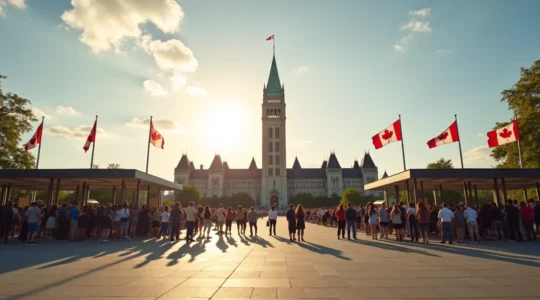
Visiting Parliament Hill: A Procedural Guide to Security and Tours in Ottawa
The ongoing renovation of Parliament Hill’s Centre Block has significantly altered the visitor experience. For tourists confused by the changes,…
Read more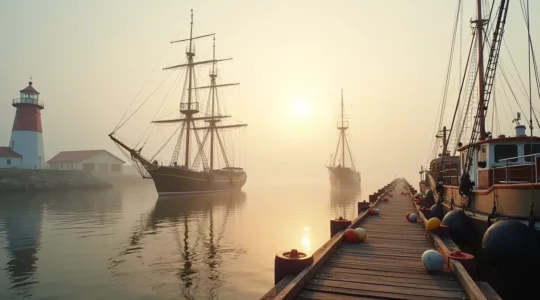
Beyond the Postcards: A Deep Dive into the Soul of Canada’s Atlantic Harbors
The real story of Canada’s Atlantic harbors isn’t found on postcards, but in the unseen forces of geography, conflict, and…
Read more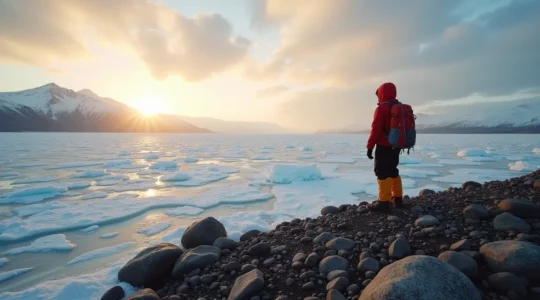
Exploring Canada’s Arctic Coasts: A Logistics Guide for the Intrepid Traveler
A successful Arctic expedition is not a vacation to be booked, but a supply chain to be managed; its success…
Read more