Cuisine & Local Specialties
Canada’s culinary identity extends far beyond the stereotypical maple syrup and poutine. From coast to coast, this vast nation offers a remarkable tapestry of regional specialties, indigenous ingredients, and immigrant-influenced dishes that reflect centuries of cultural exchange. Understanding Canadian cuisine means exploring the relationship between geography and gastronomy—how the Atlantic’s cold waters shape Maritime seafood traditions, how British Columbia’s microclimates nurture world-class vineyards, and how urban centers become melting pots of international flavours adapted to local tastes.
Whether you’re navigating food tours through historic neighbourhoods, selecting sustainably harvested seafood, planning a wine country excursion, or seeking out iconic regional treats, Canada’s culinary landscape rewards the curious eater. This comprehensive resource introduces the fundamental concepts, practical considerations, and cultural contexts that will transform you from a casual diner into an informed explorer of Canadian cuisine and local specialties.
Urban Food Tours: Connecting Culture Through Taste
Canada’s major cities—Vancouver, Toronto, Montreal, Halifax—function as living museums of culinary evolution. Neighbourhood-focused food tours offer more than just samples; they provide historical context for how immigration patterns, economic shifts, and cultural preservation shape what we eat today. A walk through Toronto’s Kensington Market, for instance, reveals layers of Jewish, Caribbean, Latin American, and Asian influence, each wave of newcomers adding their ingredients to the Canadian pantry.
When selecting an urban food tour, understanding the historical narrative distinguishes meaningful experiences from simple restaurant-hopping. Quality tours connect specific dishes to the communities who introduced them, explaining why Montreal’s bagels differ from New York’s, or how Halifax’s waterfront evolved from working docks to dining destinations. Comparing neighbourhoods becomes essential: Vancouver’s Commercial Drive offers different insights than Gastown, just as Montreal’s Mile End tells a distinct story from Old Montreal.
Practical considerations matter equally. Tourist traps cluster near major attractions, often serving mediocre versions of local specialties at inflated prices. Authentic experiences typically occur in residential neighbourhoods where locals actually eat. Budget considerations extend beyond tour prices to include tipping expectations—typically 15-20% in Canadian dining culture—and managing dietary restrictions. Reputable tour operators accommodate allergies with advance notice, but understanding cross-contamination risks in small kitchens remains the visitor’s responsibility.
Sustainable Seafood: From Ocean to Plate
Canada’s three ocean coastlines provide extraordinary seafood diversity, but responsible consumption requires understanding sustainability certifications and seasonal patterns. Programs like Ocean Wise and SeaChoice help consumers identify seafood harvested using methods that minimize environmental impact, protect marine ecosystems, and ensure long-term species viability. These certifications appear on restaurant menus and retail packaging, serving as quick reference guides for conscientious eaters.
Lobster season exemplifies the importance of timing knowledge. Atlantic Canada’s lobster fishery operates under strictly regulated seasons that vary by Lobster Fishing Area (LFA), with spring and fall representing peak harvest periods in different zones. Fresh, locally caught lobster tastes dramatically different from previously frozen imports—sweeter, more delicate, with firm rather than mushy texture. Understanding these cycles enhances both quality and value, as prices drop when local supply peaks.
Species selection involves balancing personal preference with ecological responsibility. Invasive species like green crabs, currently threatening Atlantic ecosystems, represent guilt-free indulgence—eating them actually helps. Meanwhile, overfished species require caution regardless of availability. Key considerations include:
- Certification labels: Ocean Wise, MSC (Marine Stewardship Council), or BAP (Best Aquaculture Practices) indicate responsible sourcing
- Seasonal awareness: Peak seasons vary by species and region, affecting both price and quality
- Local vs. imported: Canadian-caught seafood typically offers superior freshness and traceability
- Preparation methods: Simpler preparations (steamed, grilled) showcase quality better than heavy sauces that mask inferior products
Wine Country Adventures in the Okanagan Valley
British Columbia’s Okanagan Valley has transformed from orchard country into one of North America’s premier wine regions, with over 200 wineries producing varietals that challenge international preconceptions about Canadian viticulture. The valley’s unique geography—a northern latitude offset by hot, dry summers and deep glacial lakes—creates microclimates that support everything from crisp Rieslings to bold Syrahs. Understanding sub-regional differences helps visitors target their preferences: Oliver and Osoyoos in the south produce riper, fuller-bodied reds, while Naramata Bench specializes in elegant whites and sparkling wines.
Planning a wine tour involves logistical realities often overlooked in romantic vineyard fantasies. Designated drivers, hired transportation services, or organized tour buses become necessities rather than options—British Columbia enforces strict impaired driving laws with immediate roadside prohibitions at relatively low blood alcohol levels. Many wineries charge tasting fees ranging from $5 to $25, sometimes waived with purchases, while reservations for both tastings and vineyard restaurant lunches have shifted from optional to essential at popular estates.
Shipping wine home presents its own complexities. Provincial liquor regulations create a patchwork of rules: shipping within BC is straightforward, but sending bottles to other provinces may face restrictions or require special permits. Many wineries offer shipping services that navigate these regulations, though costs can add substantially to your purchases. The alternative—carefully packing bottles in checked luggage—requires proper protection and awareness of airline quantity limits and provincial importation rules.
The Craft Beer Revolution Across Canada
Canada’s craft brewery scene has exploded from a handful of pioneers to over 1,000 independent breweries, each region developing distinctive local styles influenced by available ingredients and cultural preferences. West Coast IPAs dominate British Columbia, Quebec brewers excel at Belgian-inspired ales, while Maritime breweries often incorporate local ingredients like spruce tips or sea salt. This geographic diversity mirrors wine’s terroir concept, with local water chemistry, ingredient sourcing, and brewing traditions creating recognizable regional signatures.
Understanding brewery culture enhances the tasting experience. A “flight”—typically four to six small samples—allows comparison across styles without overwhelming your palate or exceeding responsible consumption limits. Growlers, refillable jugs ranging from 946ml to 1.89L, let you take draft beer home, though regulations governing their use vary provincially. Some jurisdictions require brewery-specific growlers, while others permit any clean, sealable container.
Many craft breweries operate taprooms with full food service, recognizing that eating significantly improves the tasting experience while supporting responsible alcohol consumption. Menus often feature locally sourced ingredients and beer-friendly preparations—pretzels, sausages, burgers—though some urban breweries collaborate with food trucks or allow outside food. Legal considerations include:
- Minimum drinking age: 19 in most provinces, 18 in Alberta, Manitoba, and Quebec
- Operating hours: Vary by province and municipality, with some restricting Sunday service
- Purchase limits: On-premise consumption limits rarely apply, but takeaway quantities may face restrictions
- Transportation: Same impaired driving laws apply regardless of beverage; plan transportation accordingly
Iconic Regional Specialties Worth the Journey
Certain Canadian specialties transcend simple recipes to become cultural touchstones, dishes so associated with specific places that seeking authentic versions becomes a pilgrimage. These regional icons tell stories of immigrant adaptation, resource availability, and local pride that illuminate Canadian identity’s mosaic nature.
Nanaimo Bars: British Columbia’s Sweet Legacy
This no-bake, three-layer dessert bar—chocolate-coconut base, custard middle, chocolate ganache top—originated in Nanaimo, BC, though competing origin stories persist. The custard layer’s texture separates excellent versions from mediocre ones: it should be firm enough to bite cleanly, creamy without being greasy, with genuine vanilla flavour rather than artificial sweetness. Nanaimo itself celebrates this heritage with a self-guided “Nanaimo Bar Trail” connecting bakeries, cafés, and restaurants offering their interpretations, from traditional recipes to avant-garde variations incorporating local ingredients.
Serious enthusiasts debate authenticity markers—butter versus margarine, custard powder brands, chocolate quality—with the passion usually reserved for barbecue or pizza. Making them at home requires no special equipment, just patience for proper chilling between layers. Shipping Nanaimo bars as gifts works reasonably well, though the custard layer softens in warm conditions; many local bakeries offer mail-order services with appropriate insulation and expedited shipping during cooler months.
Halifax Donair: Maritime Street Food Icon
Halifax’s official food is a street meat phenomenon: spiced beef cooked on a vertical rotisserie, shaved thin, wrapped in pita with tomatoes, onions, and a distinctively sweet sauce made from evaporated milk, sugar, garlic, and vinegar. This sauce—initially off-putting to newcomers, eventually addictive—defines authentic donairs and distinguishes them from Mediterranean döner kebabs or Greek gyros. Accepting the sauce’s unconventional sweetness represents a rite of passage for donair appreciation.
Eating donairs cleanly challenges even experienced practitioners. The generous sauce-to-filling ratio and soft pita create structural instability requiring strategic folding and rapid consumption. Late-night donair stands understand this reality, providing ample napkins and often outdoor seating where sauce drips cause minimal damage. The donair’s origin story—created by Greek immigrant Peter Gamoulakos in the 1970s, adapted to local tastes by sweetening the traditional tzatziki—exemplifies how immigrant cuisines evolve through cultural negotiation.
Finding the “best” donair spot sparks fierce local debate, with neighbourhood loyalty often trumping objective quality assessment. Long-established spots like King of Donair claim historical primacy, while newer competitors innovate with premium ingredients or creative variations. Exporting the taste proves difficult—the specific sauce recipe and meat spicing remain closely guarded by individual vendors, and attempts to franchise donairs outside the Maritimes rarely capture the original’s essence, suggesting terroir extends beyond wine and produce.
Canadian cuisine and local specialties reward the curious eater willing to look beyond surface-level stereotypes. Whether you’re navigating urban food culture, making sustainable seafood choices, exploring wine regions, discovering craft breweries, or seeking iconic regional dishes, understanding the cultural, historical, and practical contexts transforms eating from mere sustenance into meaningful cultural engagement. Each region, each specialty, each local tradition offers layers of discovery for those who approach with genuine curiosity and respect for the communities who created and maintain these culinary traditions.

Halifax Donairs: The Sweet Sauce Controversy and Late-Night Culture
Contrary to what it looks like, the Halifax Donair is not a free-for-all; it’s a culinary ritual with unwritten laws…
Read more
The Nanaimo Bar: Finding the Perfect Crumb-to-Custard Ratio
The perfect Nanaimo Bar isn’t about creative flavours; it’s a strict science of texture and a testament to Canadian culinary…
Read more
The Canadian Ale Trail: A Beer Geek’s Guide to Local Culture and Etiquette
True exploration of Canadian craft beer means understanding the nation’s unwritten rules and complex provincial quirks. Regional styles are deeply…
Read more
Touring Okanagan Vineyards: Mastering the Logistics of the Wine Route
A truly successful Okanagan wine tour is defined not by the wineries you visit, but by how masterfully you navigate…
Read more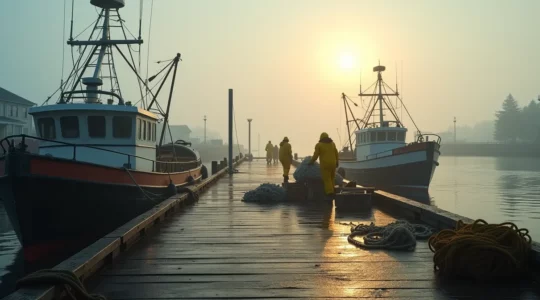
A Chef’s Guide to Sustainable Seafood: How to Choose and Enjoy Canada’s Ocean Wise Options
Sustainable seafood in Canada is about more than just a logo; it’s a delicious journey into the story, season, and…
Read more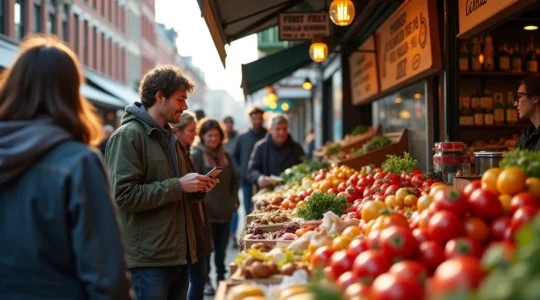
Urban Food Tours: Is the “Walking Tasting” Worth the Ticket Price?
The real value of a Canadian food tour isn’t what’s on your plate, but the cultural and logistical puzzles it…
Read more