Culture & Traditions
Canada’s cultural landscape is as vast and varied as its geography, shaped by Indigenous peoples, colonial histories, and successive waves of immigration. From the territorial protocols of First Nations communities to the joie de vivre of Quebec’s winter celebrations, from the understated warmth of Maritime hospitality to the architectural echoes of New France, understanding Canadian culture means embracing complexity and regional distinctiveness. This isn’t about memorizing a single set of rules—it’s about developing the cultural literacy to navigate a country where a simple greeting might be in English, French, Cree, or Inuktitut depending on where you stand.
For those new to Canada or seeking to deepen their appreciation of its cultural fabric, this landscape can feel overwhelming. How do you show respect when visiting Indigenous communities? What makes francophone culture outside Quebec unique? Why does hospitality look different in Halifax than in Toronto? This resource introduces the foundational elements of Canadian culture and traditions, connecting the dots between regional practices and helping you develop the confidence to engage authentically with the diverse communities that call this country home.
Indigenous Cultural Protocols: The Foundation of Respect
Understanding and honoring Indigenous protocols isn’t merely polite—it’s an essential aspect of engaging respectfully with the original stewards of these lands. Canada is home to over 600 recognized First Nations, Inuit, and Métis communities, each with distinct languages, governance structures, and cultural practices. Treating Indigenous culture as monolithic is one of the most common and problematic mistakes visitors make.
Territorial Acknowledgments and Their Meaning
You’ll frequently hear territorial acknowledgments at public events across Canada, recognizing the traditional lands on which gatherings take place. These aren’t empty gestures but formal recognition of ongoing Indigenous presence and rights. Learning whose territory you’re on—whether it’s the unceded lands of the Musqueam, Squamish, and Tsleil-Waututh in Vancouver, or Haudenosaunee and Anishinaabe territories in southern Ontario—demonstrates basic cultural awareness. Many municipalities and organizations now include this information on their websites, making it accessible to anyone willing to learn.
Understanding Governance and Consultation
First Nations operate under distinct governance systems that blend traditional leadership with structures created by federal legislation. Some communities have elected band councils, while others maintain hereditary chief systems, and many incorporate both. When visiting or working with Indigenous communities, understanding who holds authority and how decisions are made shows respect for Indigenous self-determination. This knowledge becomes particularly important if you’re involved in projects requiring community consultation or seeking permission for cultural experiences.
Sacred Sites and Photography Etiquette
Not all cultural spaces are meant to be photographed or shared on social media. Sacred sites, ceremonial objects, and certain cultural practices are protected by tradition and sometimes by law. The principle is straightforward: always ask permission before photographing, and gracefully accept if the answer is no. Some communities post clear signage about photography restrictions, while in other cases you’ll need to ask your guide or host. This practice of seeking consent extends beyond photography to participation in ceremonies—being invited doesn’t automatically mean you should attend, particularly for sacred or closed ceremonies.
Canada’s Linguistic Tapestry: Beyond the English-French Binary
While Canada’s official bilingualism is well known, the country’s linguistic reality is far more nuanced. Understanding this complexity helps you navigate regional sensitivities and discover the rich francophone heritage that extends far beyond Quebec’s borders.
Francophone Communities Outside Quebec
Vibrant French-speaking communities thrive across Canada, from Acadian villages in New Brunswick and Nova Scotia to Franco-Ontarian enclaves in Ottawa and Sudbury, from Manitoba’s Saint-Boniface to British Columbia’s Maillardville. These communities developed distinct identities, often as linguistic minorities fighting for recognition and services. The Acadian French of the Maritimes differs notably from Quebec French in accent, vocabulary, and cultural references—using “tantôt” differently, saying “char” instead of “auto,” and maintaining traditions tied to Maritime coastal life rather than the St. Lawrence valley.
Avoiding Linguistic Presumptions
Making assumptions about someone’s language based on location leads to awkward moments. Not everyone in Quebec speaks French, and not everyone outside Quebec speaks only English. In officially bilingual New Brunswick, approximately one-third of residents are francophone, making it entirely normal to hear both languages in daily life. The courteous approach in any Canadian context is to offer a greeting that acknowledges both possibilities—”Hello, bonjour” has become standard in federal services and many businesses precisely for this reason.
Local Vocabulary and Regional Pride
Canadian English itself varies regionally, with distinctive vocabulary reflecting local history and identity. Maritimers might invite you to a “kitchen party” (an informal house gathering), Prairie residents talk about “bunnyhugs” (hooded sweatshirts), and the term “washroom” is preferred coast to coast over “bathroom” or “toilet.” Learning and using these local terms isn’t about adopting an accent—it’s about showing respect for regional linguistic identity and demonstrating that you’ve taken time to understand local culture.
Architectural Heritage: Reading the Built Landscape
Canada’s buildings tell stories about who settled where and when, offering visible markers of cultural history. Nowhere is this more evident than in the distinctive architecture of New France, which continues to shape the built environment of Quebec and parts of Ontario centuries after French colonial administration ended.
Recognizing New France Architectural Styles
The traditional Quebec rural house—with its steeply pitched roof designed to shed heavy snow, massive central chimney, and relatively small windows to preserve heat—represents an adaptation of Norman French building traditions to harsh Canadian winters. In urban contexts, you’ll notice distinct characteristics: stone construction using local limestone or granite, external staircases on Montreal duplexes and triplexes (originally to maximize interior space and reduce fire spread), and colored metal roofs that became iconic in Quebec City’s old town.
Materials and Regional Adaptation
The predominance of stone construction in Quebec contrasts sharply with the wood-frame buildings common in most Canadian regions, reflecting both the availability of excellent building stone along the St. Lawrence and the influence of French building codes that prohibited wooden construction in urban areas after devastating fires. Understanding these material choices reveals how European building traditions adapted to Canadian resources and climate. The preservation of these historic structures requires specialized knowledge—wooden elements in stone buildings face unique challenges from moisture and temperature fluctuation, demanding specific maintenance approaches.
Comparing Cultural Influences
Walking through different Canadian neighborhoods offers a visual education in settlement patterns. The Loyalist architecture of southern Ontario reflects British Georgian preferences, while Western Canada’s late settlement means you’ll find more Victorian and Edwardian styles. Halifax’s colorful wooden houses perched on hillsides show Maritime maritime adaptation, while the row houses of St. John’s with their vivid paint colors represent another distinct Atlantic tradition. This architectural diversity makes Canadian cities readable texts of cultural history for those who learn the vocabulary.
Festivals and Celebrations: Cultural Expression Through the Year
Canadians embrace seasonal extremes through festivals that transform potential hardships into celebrations, creating cultural traditions that strengthen community bonds and welcome visitors into shared experiences.
Quebec’s Winter Carnival Traditions
Quebec City’s winter carnival represents the quintessential Canadian approach to winter: if you can’t escape it, celebrate it. The tradition of drinking Caribou—a warming mixture of red wine, hard liquor, and spices served from a candle-holder shaped like a boot—exemplifies how cultural practices create shared experience in extreme conditions. First-time participants often underestimate the cold; successful carnival-goers dress in layers including insulated boots rated for temperatures well below freezing, and embrace the fact that outdoor activities in minus twenty degrees Celsius create bonding experiences impossible to replicate in warmer weather.
Urban Jazz Festivals and Musical Culture
The Montreal International Jazz Festival has grown into one of the world’s largest music events, but its magic lies in accessibility—hundreds of free outdoor concerts transform downtown streets into pedestrian music zones for nearly two weeks each summer. Experiencing these festivals like a local means knowing that headliner concerts require advance ticket purchases, but the real discovery happens at free outdoor stages where you might encounter anything from traditional jazz to global fusion. Similar festival cultures thrive in cities across Canada, from TD Vancouver International Jazz Festival to Ottawa’s Bluesfest, each offering a mix of ticketed and free programming.
Regional Musical Traditions
Beyond major urban festivals, regional musical traditions reflect cultural heritage. Kitchen parties in Cape Breton feature fiddle music with Scottish roots, Manitoba’s Winnipeg Folk Festival showcases the province’s diverse cultural communities, and Indigenous powwows across the country combine dance, drumming, and regalia in celebrations of cultural continuity. Understanding that these aren’t performances for tourists but genuine community cultural expressions changes how you approach them—with respect, appropriate attire, and awareness of protocols around photography and participation.
Regional Hospitality Traditions: How Canadians Welcome
Canadian politeness is internationally stereotyped, but hospitality practices vary significantly by region, reflecting distinct cultural histories and social norms. Understanding these differences helps you navigate social situations with confidence.
Maritime Social Hospitality
The Atlantic provinces maintain a hospitality tradition that can surprise newcomers with its warmth and informality. Strangers might strike up conversations in grocery stores, neighbors often drop by without elaborate advance planning, and social reciprocity carries specific expectations. If someone invites you to their home for a meal, bringing a small gift (wine, dessert, or flowers) is customary, but equally important is the expectation that you’ll eventually reciprocate—not necessarily with the same formality, but with some gesture that maintains social balance. This isn’t transactional but relational, building the community bonds that historically helped people survive in resource-dependent coastal economies.
Understanding Different Welcoming Cultures
The hospitality you experience in small-town Saskatchewan differs from downtown Toronto’s more reserved social norms, which in turn differs from Vancouver’s West Coast friendliness. These aren’t judgments about which is “better” but recognition that urbanization, cultural diversity, and regional history shape social expectations. In major urban centers with large immigrant populations, you might find hospitality expressed through cultural community organizations rather than immediate neighbor interactions. Understanding context prevents misinterpreting reserve as unfriendliness or enthusiasm as intrusion.
Authentic Cultural Experiences: Finding and Supporting Them
As cultural tourism grows, distinguishing authentic experiences from superficial performances becomes increasingly important—both for meaningful engagement and for ensuring your tourism dollars support communities rather than exploit them.
Distinguishing Cultural Experiences
Authentic cultural experiences involve community members sharing their living culture, not performing caricatures for visitors. Red flags include experiences that present Indigenous culture as historical rather than contemporary, mix symbols from different nations inappropriately, or offer “ceremonies” available on-demand for tourists. Genuine experiences often involve interpretation by community members, demonstrate respect for cultural protocols, and acknowledge the complexity of cultural identity rather than reducing it to simplified stereotypes.
Choosing Certified Operators and Supporting Local Economy
Several certification programs help identify culturally responsible tour operators. The Indigenous Tourism Association of Canada offers certification for Indigenous-owned or partnered operations that meet cultural standards. For other cultural experiences, look for operators with clear community partnerships, transparent revenue sharing, and educational rather than purely entertainment focus. Supporting the local economy extends beyond choosing certified operators to where you eat, shop, and stay—opting for locally-owned businesses over international chains ensures your tourism spending benefits the communities you’re visiting.
Cultural Etiquette: Navigating Sensitive Situations
Cultural competence develops through understanding that different communities hold different values around food, communication, and social interaction. A few key principles help you avoid unintentional offense.
Culinary Customs and Asking Questions
Canada’s cultural diversity means food traditions vary enormously, and what’s considered polite differs across communities. When invited to share a meal in someone’s home, asking about dietary customs shows respect—whether that’s understanding halal or kosher requirements, recognizing the significance of food sharing in Indigenous culture, or knowing that refusing food can be considered rude in some cultural contexts. The key is approaching differences with genuine curiosity rather than judgment. Asking “Can you tell me about this dish?” or “Is there anything I should know about how this is traditionally eaten?” demonstrates respect and willingness to learn.
Photography and Cultural Sensitivity
Beyond Indigenous sacred sites, photography sensitivity matters in various cultural contexts. Some religious communities have restrictions on photographing people, particularly women. Cultural celebrations may welcome photography of public festivities but restrict images of ceremonial elements. Markets, festivals, and public spaces generally permit photography, but photographing individuals—especially elders or children—requires permission. When in doubt, ask. If someone declines, respect that boundary without pressing for explanation.
Understanding Canadian culture and traditions means recognizing that there’s no single Canadian culture—there are cultures, plural, shaped by Indigenous heritage, colonial histories, immigration patterns, and regional geographies. The themes explored here provide starting points for deeper engagement with specific communities and traditions. Approach each new cultural encounter with openness, respect for differences, and willingness to learn from those whose culture it is. This mindset transforms cultural navigation from a source of anxiety into an opportunity for genuine connection and enriched understanding of this complex, diverse country.
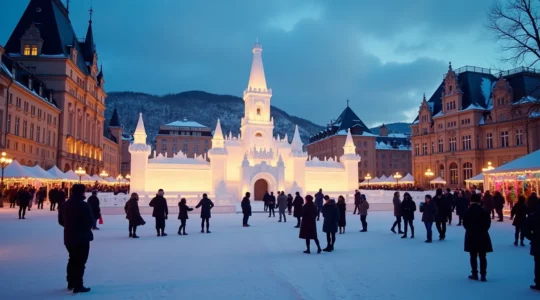
Quebec Winter Holidays: A Guide to Embracing the Magic, Not Just Surviving the Cold
The secret to a magical Quebec winter holiday isn’t avoiding the cold, but mastering it with the right strategy. Learn…
Read more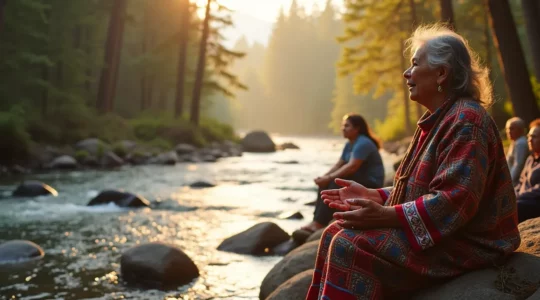
Understanding First Nations Protocols: Land Acknowledgements for Visitors
A land acknowledgement is more than a polite formality; it is the entry point to understanding distinct Indigenous legal orders…
Read more
Navigating Urban Jazz Festivals: Surviving the Crowds at Montreal Jazz
The secret to mastering the Montreal Jazz Festival isn’t finding the best shows; it’s mastering the logistics the crowds don’t…
Read more
Identifying New France Architecture: Characteristics of Ancestral Homes
Beyond a picturesque facade, New France architecture is a practical language of survival; its features tell a story of climate…
Read more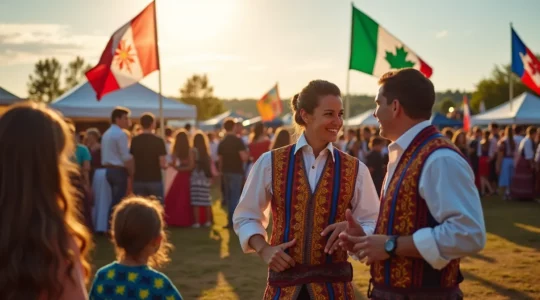
Navigating Francophone Heritage: Bilingualism Beyond Quebec’s Borders
To truly experience Canada’s Francophone heritage, one must look beyond Quebec and appreciate the unique linguistic signatures and cultural resilience…
Read more
Beyond ‘Friendly’: Cracking the Code of Maritime Hospitality in Atlantic Canada
Contrary to the simple cliché of ‘friendly locals,’ true Maritime hospitality is a complex social code. This guide reveals the…
Read more
Engaging with Indigenous Heritage: Etiquette for Visitors on First Nations Land
True respect in Indigenous tourism isn’t about memorizing a list of rules. It’s about fundamentally shifting your perspective from that…
Read more