Discover Canada
Canada spans nearly 10 million square kilometres, encompassing six time zones and climate regions ranging from temperate rainforests to Arctic tundra. This vast scale creates unique opportunities for travellers seeking wilderness encounters, cultural connections, and natural spectacles found nowhere else on Earth. Yet this same vastness presents practical challenges that catch many first-time visitors off guard, from underestimating travel distances to packing for multiple seasons in a single journey.
Understanding Canada’s geographic realities, seasonal rhythms, and cultural depth transforms a simple visit into a meaningful experience. This foundation covers essential knowledge for navigating Canadian landscapes responsibly, from timing your journey around wildlife migrations to engaging authentically with Indigenous communities whose stewardship has shaped these lands for millennia.
Understanding Canada’s Geographic Scale and Climate Diversity
The single most common planning mistake involves underestimating distances. The drive from Vancouver to Calgary spans approximately 1,000 kilometres through mountain passes, while Toronto to Vancouver requires crossing nearly 4,400 kilometres—roughly the distance from London to Baghdad. This continental scale demands fundamentally different trip planning than European or many Asian itineraries.
Climate Zones and Seasonal Considerations
Canada experiences dramatic climate variation both geographically and seasonally. Visitors arriving in Vancouver during mild winter rain might encounter -30°C temperatures just hours away in the Interior. Summer temperatures in southern Ontario regularly reach 30°C with high humidity, while Arctic regions barely exceed 10°C during their brief warm season.
The shoulder seasons—late spring and early autumn—offer distinct advantages beyond smaller crowds. Accommodation rates typically drop by 20-40% compared to peak summer, while popular attractions operate with reduced wait times. These periods also showcase unique natural phenomena: spring brings newborn wildlife and wildflower blooms, while autumn delivers spectacular foliage across eastern forests and optimal northern lights viewing as darkness returns to northern latitudes.
Multi-Climate Packing Strategies
Successful multi-region trips require layering systems rather than packing for single climates. A practical approach includes:
- Base layers in moisture-wicking merino wool or synthetic materials that perform across temperature ranges
- A versatile mid-layer fleece or down jacket that compresses easily
- A waterproof, breathable outer shell suitable for both coastal rain and mountain weather
- Separate warm-weather clothing for urban exploration or southern regions
Travellers visiting both coastal and prairie regions within one trip should prioritize versatile items that serve multiple functions, reducing luggage weight while maintaining preparedness for sudden weather shifts.
Coastal Character Comparison
Canada’s three ocean coastlines offer dramatically different experiences. The Pacific Coast features temperate rainforests, relatively mild winters, and sheltered fjord systems ideal for kayaking and wildlife observation. The Atlantic provinces present rugged maritime culture, dramatic tidal variations reaching 16 metres in the Bay of Fundy, and historic fishing communities. The Arctic coastline remains largely inaccessible except through specialized expeditions, offering polar wildlife encounters and midnight sun phenomena during brief summer windows.
Choosing between coasts depends on your priorities: marine biodiversity concentrates along the Pacific, cultural heritage runs deepest in Atlantic communities, while Arctic regions deliver true wilderness remoteness.
Wilderness Photography and Environmental Stewardship
Canada’s wilderness areas attract photographers worldwide, yet these fragile ecosystems require careful approach. Capturing memorable images while minimizing environmental impact demands both technical knowledge and ethical awareness.
Arctic and Tundra Photography Ethics
Tundra ecosystems recover extraordinarily slowly from disturbance. A single footprint in tundra moss may remain visible for decades, as plants grow mere millimetres annually in extreme conditions. Photographers must restrict movement to established paths or durable surfaces like rock and gravel.
Technical challenges in these environments include:
- Battery performance dropping by 50% or more in extreme cold
- LCD screens becoming sluggish or unresponsive below -20°C
- Condensation forming on equipment when moving between temperature extremes
- Limited daylight during winter months requiring careful timing
Protecting camera gear requires keeping backup batteries warm against your body, using weather-sealed equipment when possible, and allowing gradual temperature transitions by placing cameras in sealed bags before entering heated spaces.
Temperate Rainforest Considerations
The Great Bear Rainforest along British Columbia’s central coast represents one of the world’s largest intact temperate rainforests. This region hosts unique wildlife including the Kermode bear (spirit bear), a white-coated black bear subspecies found nowhere else. Access to this remote area typically requires float plane or boat, with limited visitor infrastructure protecting its ecological integrity.
Observing wildlife discreetly in dense forest environments demands different techniques than open tundra. Longer focal lengths (300mm minimum), stabilization systems for low-light conditions under heavy canopy, and extreme patience become essential. Understanding animal behaviour patterns—dawn and dusk activity peaks, salmon run timing, territorial ranges—dramatically improves encounter opportunities while reducing disturbance through repeated approaches.
Optimizing Light in Extreme Seasons
Winter photography in Canada offers unique lighting opportunities but compressed shooting windows. At 60°N latitude, winter solstice brings barely six hours between sunrise and sunset, yet the extended golden hour creates prolonged warm light impossible in tropical regions. Conversely, summer’s extended twilight in northern regions provides multiple hours of soft, directional light ideal for landscape work.
Photographers should plan shooting schedules around these seasonal light patterns rather than traditional golden hour timing, which shifts dramatically with latitude and season.
Accessible Mountain Experiences Through Gondola Systems
Mountain gondolas and aerial trams provide spectacular alpine access without technical climbing skills or extended hiking. These systems transport visitors from valley floors to elevations exceeding 2,000 metres, revealing panoramic views across glacier-carved landscapes.
Comparing Major Installations
Several world-class gondola systems operate across Canadian mountain regions. The Banff Gondola ascends Sulphur Mountain to 2,281 metres, offering 360-degree views across the Canadian Rockies. Whistler’s Peak 2 Peak Gondola holds records for longest unsupported span, connecting Whistler and Blackcomb mountains across a 3-kilometre traverse. The Jasper SkyTram in the same mountain range provides access to alpine tundra environments and extensive summit trail networks.
Each installation offers distinct advantages: some feature revolving restaurants, others provide extensive interpretive programming or accessible hiking trails at summit elevation. Researching specific amenities helps match installations to your interests and physical capabilities.
Practical Considerations for Summit Visits
Temperature drops approximately 6.5°C per 1,000 metres of elevation gain. A comfortable 20°C valley temperature becomes a brisk 7°C at typical gondola summit elevations, with wind chill potentially dropping perceived temperatures further. Visitors should bring warm layers regardless of valley conditions.
Cost-saving strategies include:
- Purchasing tickets online in advance for discounts typically ranging from 10-15%
- Visiting during shoulder seasons when promotional rates often apply
- Combining gondola access with dining reservations, which sometimes include reduced lift rates
- Checking for local resident rates if you qualify
Those experiencing height sensitivity should note that modern gondola cabins feature solid floors and seated areas away from windows, making the experience manageable for many who struggle with exposed viewpoints. Moving to cabin centres and focusing on distant horizons rather than looking directly down helps minimize discomfort.
Seasonal Whale Watching and Marine Ethics
Canada’s coastlines host numerous whale species following predictable migration patterns. Understanding seasonal timing, appropriate vessel types, and ethical observation practices ensures meaningful encounters that support conservation rather than contributing to wildlife stress.
Targeting Migration Patterns and Species
The Pacific Coast offers the most diverse whale watching, with resident orca pods present year-round near southern Vancouver Island, while gray whales migrate northward from March through May. Humpback whale populations peak from June through October across both Pacific and Atlantic coasts. The Atlantic also hosts North Atlantic right whales, one of the world’s most endangered large whale species, primarily visible during summer months in the Bay of Fundy and Gulf of St. Lawrence.
Timing visits to coincide with peak abundance dramatically increases encounter probability. Operators in established whale watching regions typically report success rates exceeding 90% during optimal seasons, compared to 50% or lower during off-peak periods.
Vessel Selection and Comfort
Tour operators utilize vessels ranging from large, enclosed cruise boats accommodating 100+ passengers to rigid-hull inflatable boats (RHIBs) carrying 12-30 people. Larger vessels provide stability, washroom facilities, and indoor heated areas—critical for longer trips or cold conditions. Smaller crafts offer closer water-level perspectives and greater manoeuvrability, though at the cost of increased motion and exposure to elements.
Those prone to seasickness should consider morning departures when ocean conditions typically remain calmest, choose larger, more stable vessels, position themselves midship where motion is minimized, and consult with medical professionals about preventive medications taken well before departure.
Understanding Observation Ethics
Canadian regulations mandate minimum approach distances and restrict vessel behaviour around marine mammals. Operators must maintain at least 100 metres from most whales, with greater distances required for endangered species. Vessels cannot position themselves directly in the path of travelling whales or separate mothers from calves.
These regulations exist because repeated disturbance affects feeding efficiency, increases stress hormones, and disrupts critical behaviours including nursing and resting. Choosing operators who adhere strictly to these guidelines—and actively participate in research programs or conservation initiatives—ensures your tourism dollars support marine ecosystem health rather than contributing to its degradation.
Authentic Indigenous Cultural Immersion
Indigenous peoples have inhabited Canadian territories for over 10,000 years, developing sophisticated cultures intimately connected to specific landscapes. Authentic cultural experiences offer profound insights into worldviews, artistic traditions, and ecological knowledge systems that continue evolving today.
Distinguishing Authentic Experiences
Genuine Indigenous cultural tourism operates under Indigenous ownership and leadership, ensuring cultural protocols are respected and economic benefits flow directly to communities. Indicators of authenticity include Indigenous guides sharing their own nation’s specific traditions rather than generic “Indigenous” content, appropriate use of Indigenous languages, and acknowledgment of specific territorial contexts.
Many authentic experiences avoid performative elements designed for tourist consumption, instead offering participation in actual community activities—traditional food preparation, craft techniques, land-based learning—adapted for visitor participation while maintaining cultural integrity.
Participatory Workshops and Traditional Accommodations
Hands-on workshops teach traditional skills including cedar weaving, hide tanning, traditional plant use, and carving techniques. These sessions go beyond simple craft activities to explore the cultural contexts, protocols, and stories embedded in each practice. Learning to prepare bannock or process salmon under Elder guidance reveals sophisticated food systems developed across millennia.
Overnight experiences in traditional dwellings—tipis on the prairies, longhouses in eastern forests, or contemporary interpretations of traditional structures—provide immersive understanding of how architecture reflected and enabled specific lifeways. Modern adaptations maintain cultural elements while incorporating appropriate comfort amenities.
Story and Seasonal Considerations
Oral traditions transmitted through storytelling remain central to Indigenous knowledge systems. Listening to traditional stories shared by designated knowledge keepers offers insights into worldviews, history, and relationships with specific places that written accounts cannot capture. Certain stories follow seasonal protocols, shared only during appropriate times of year when related natural phenomena are present.
Cultural tourism programs may operate seasonally, both because of practical access considerations and because many traditional activities align with natural cycles—spring plant gathering, summer salmon processing, autumn harvest activities, winter storytelling seasons. This seasonal structure deepens the educational value by connecting learning to the actual environmental conditions that shaped cultural practices.
Approaching Indigenous cultural experiences with genuine curiosity, respect for protocols, and recognition that you are guests in Indigenous territories creates meaningful exchanges that benefit both visitors and host communities. These connections often prove the most transformative aspects of Canadian travel, shifting perspectives on history, ecology, and our relationships with places and each other.
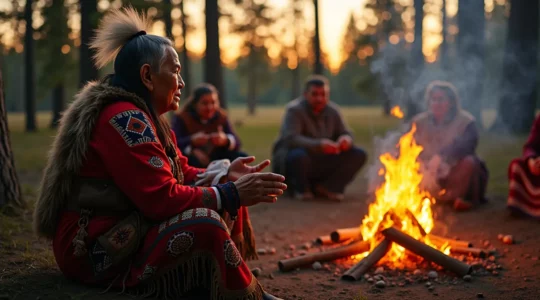
Indigenous Tourism Experiences: Moving Beyond the Museum Display
The most profound Indigenous travel experiences are not about what you see, but how you participate. True engagement means shifting…
Read more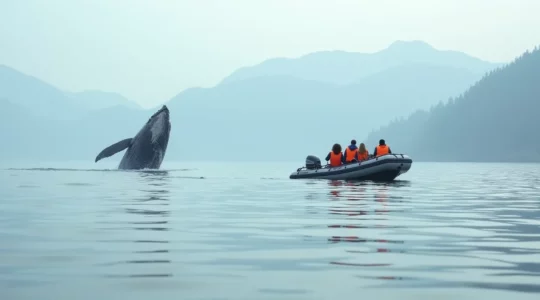
A Scientist’s Guide to Canadian Whale Watching: Choosing the Right Boat & Season
Your success in whale watching depends less on luck and more on understanding the underlying marine biology of your chosen…
Read more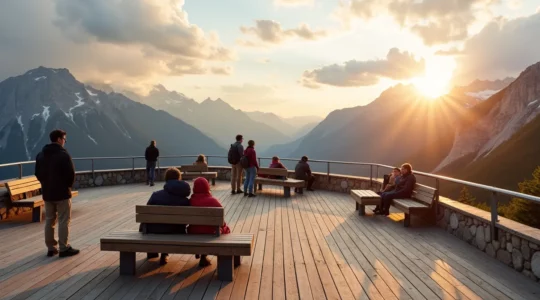
Gondola Rides in the Rockies: Your Guide to Mountain Views Without the Hike
In summary: For maximum comfort and accessibility, especially for those with mobility challenges, the Banff Gondola is the superior choice…
Read more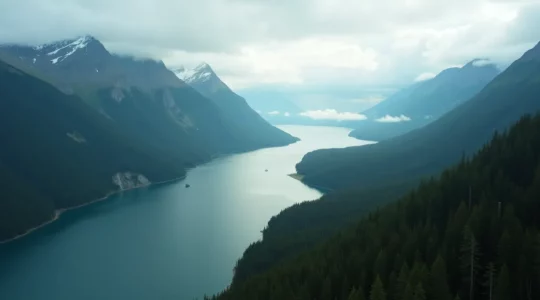
A Visitor’s Guide to the Great Bear Rainforest: How to Explore B.C.’s Coastal Wilderness with Respect
A truly meaningful trip to the Great Bear Rainforest isn’t just about what you see, but how your visit contributes…
Read more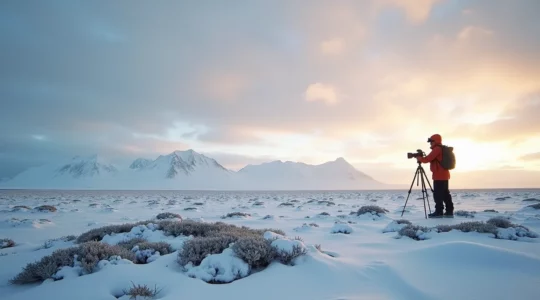
Photography in the Tundra: Capturing Barren Beauty Without Leaving a Trace
The greatest shot of the Arctic isn’t the one you take, but the one you earn through meticulous, conservation-first discipline….
Read more
Planning a Trip to Canada: A First-Timer’s Guide to Geography, Seasons, and Packing
The secret to an unforgettable Canadian trip isn’t what you see, but the logistical trade-offs you master before you go….
Read more