Itineraries & Road Trips
Canada’s vast landscapes and diverse terrain make it one of the world’s most rewarding destinations for road trips. From the dramatic peaks of the Rocky Mountains to the coastal beauty of British Columbia and the cultural richness of Quebec’s heritage routes, Canadian highways offer experiences that blend natural wonder with practical challenges. Whether you’re navigating the Icefields Parkway through Banff and Jasper or exploring rural charging networks in an electric vehicle, understanding the unique considerations of Canadian road travel transforms a simple drive into a memorable adventure.
Planning a road trip across Canada requires more than mapping distances between destinations. You’ll encounter extreme weather shifts, remote areas with limited services, mandatory seasonal equipment laws, and wildlife corridors that demand heightened awareness. This comprehensive resource introduces the essential knowledge areas every Canadian road tripper should master, from choosing the right vehicle and route to managing the logistics that keep your journey safe, legal, and genuinely enjoyable.
Planning the Perfect Canadian Road Trip Itinerary
The foundation of any successful Canadian road trip lies in understanding how distance, seasonality, and regional characteristics shape your journey. A drive that looks manageable on a map can present unexpected challenges when you factor in mountain passes, ferry schedules, or the limited daylight hours of northern winter travel.
Choosing Your Route Based on Interests and Season
Canadian road trips typically fall into distinct categories: mountain circuits (like the Golden Triangle through Banff, Jasper, and Yoho), coastal highways (such as the Sea-to-Sky from Vancouver to Whistler), and cultural corridors (like Quebec’s Route des Navigateurs along the St. Lawrence). Each demands different preparation. Mountain routes require understanding park pass systems—the Parks Canada annual discovery pass costs approximately $145 for families and covers entry to national parks nationwide. Timing matters significantly: the Icefields Parkway typically opens fully by mid-June, but lingering snow can close sections unexpectedly even in late spring.
Understanding Distance and Travel Time Realities
Canadian distances challenge even experienced travelers. The Trans-Canada Highway stretches nearly 8,000 kilometers from coast to coast, but provincial highways often offer more rewarding experiences at the cost of slower speeds. Budget an average of 80-90 km/h on scenic routes when accounting for construction, wildlife crossings, and photo stops. Remote sections like northern Ontario’s Highway 17 can go 200+ kilometers between full-service towns, making fuel and accommodation planning non-negotiable.
Electric Vehicle Road Trips Across Canada
The rise of electric vehicles has transformed Canadian road trip planning, introducing new considerations around charging infrastructure, range anxiety, and cold-weather performance. While EV road trips are increasingly viable, they require a different mindset than conventional fuel-based travel.
Mapping Charging Networks and Rural Coverage
Canada’s charging infrastructure varies dramatically by region. Major networks like Petro-Canada’s Electric Highway, Flo, and ChargePoint provide DC fast charging along primary corridors, with stations typically spaced 200-300 kilometers apart on routes like the Trans-Canada. However, rural and remote areas present gaps. Northwestern Ontario, for instance, has limited fast-charging options between Thunder Bay and Kenora, potentially requiring overnight L2 charging at accommodations. Always identify backup charging locations and carry membership cards or apps for multiple networks—interoperability issues still exist.
Managing Range Anxiety and Cold Weather Impact
Winter temperatures significantly reduce EV range, with losses of 30-40% common when temperatures drop below -20°C. This phenomenon stems from battery chemistry changes and the energy required for cabin heating. Practical strategies include preconditioning your vehicle while plugged in, using seat heaters instead of cabin heat when possible, and planning routes with 20-30% range buffer beyond what summer calculations suggest. Apps like A Better Route Planner (ABRP) help model real-world range accounting for elevation changes, temperature, and wind—critical for mountain passes like Rogers Pass.
Festive Stop Planning and Destination Charging
EV road trips benefit from the “destination charging” model, where you charge during meaningful stops rather than quick fuel fills. This approach aligns perfectly with exploring Canada’s small towns, heritage sites, and natural attractions. Many municipalities now offer L2 chargers at community centers or tourist information sites. Planning stops around charging availability can lead to unexpected discoveries—a 45-minute charge in a small Alberta town might introduce you to a local bakery or museum you’d otherwise miss.
Mountain Highway Adventures in the Rockies
The Rocky Mountains host some of Canada’s most iconic road trips, but mountain driving presents unique challenges that flatland experience doesn’t prepare you for. Steep grades, sudden weather changes, and wildlife activity require specific knowledge and equipment.
The Golden Triangle Circuit
The loop connecting Banff, Lake Louise, Jasper, and Yoho showcases the Rockies at their finest. This circuit requires strategic planning around the direction of travel—many travelers prefer driving the Icefields Parkway northbound (Banff to Jasper) to keep scenic vistas on the passenger side and avoid afternoon sun glare. The route includes multiple high-elevation passes where weather can shift from clear to snowfall within minutes, even in summer months. Carrying emergency supplies (blankets, water, non-perishable food) isn’t optional paranoia—it’s standard mountain safety protocol.
Understanding Park Pass Requirements and Value
National parks require entry fees that fund conservation and infrastructure. Day passes cost around $10 per adult, but frequent travelers benefit from annual passes. The Parks Canada discovery pass becomes cost-effective after roughly seven days of park visits. Purchasing in advance online avoids entry station lineups during peak season weekends when waits can exceed 30 minutes.
Wildlife Collision Prevention
Animal-vehicle collisions peak during dawn and dusk hours when elk, deer, and moose are most active. The Bow Valley Parkway between Banff and Lake Louise implements seasonal speed reductions to 60 km/h specifically for wildlife protection. Scan roadsides continuously, reduce speed in posted wildlife corridors, and never swerve suddenly for small animals—maintaining your lane often proves safer than evasive maneuvers. Insurance data shows that collisions with large ungulates cause significant vehicle damage and potential injury, making prevention far better than dealing with consequences in remote areas.
Seasonal Challenges and Weather Considerations
Canadian weather varies dramatically not just seasonally but within single days, particularly in mountain and northern regions. Understanding seasonal requirements and adapting your driving approach can mean the difference between an enjoyable journey and a dangerous situation.
Winter Tire Laws and Equipment Requirements
British Columbia mandates winter tires (marked with the three-peak mountain snowflake symbol) on most highways from October 1 through March 31. The Sea-to-Sky Highway to Whistler strictly enforces this regulation, and vehicles without proper tires face fines and potential impoundment. Quebec similarly requires winter tires from December through March. All-season tires marked “M+S” meet minimum requirements in some provinces but provide inferior traction compared to true winter tires in snow and ice conditions. Rental vehicles typically include seasonal-appropriate tires, but confirming this detail prevents last-minute complications.
Driving in Snow and Managing Reduced Visibility
Snow driving technique differs fundamentally from dry-pavement habits. Gentle inputs—gradual acceleration, earlier and softer braking, smooth steering—prevent traction loss. Increase following distances to eight seconds or more when roads are snow-covered. Mountain highways like the Coquihalla in British Columbia can experience whiteout conditions where visibility drops below 10 meters. In such situations, reducing speed to 40-50 km/h and using low-beam headlights (never high beams in snow or fog) improves safety. If conditions become truly hazardous, the safest choice is pulling into a rest area or town to wait out the worst weather.
Optimal Timing for Seasonal Routes
Shoulder seasons offer advantages and challenges. Late May through early June provides smaller crowds and lower accommodation prices, but snow can still affect mountain passes and certain attractions remain closed. September similarly balances pleasant weather with reduced tourist density, plus spectacular fall colors in regions like Algonquin Provincial Park. The Icefields Parkway reaches peak accessibility from July through September, though August brings maximum traffic volumes. Researching specific route conditions through 511 services (Alberta’s 511, BC’s DriveBC) provides real-time road status information.
Navigating Ferry Routes and Coastal Drives
Canada’s coastal geography means ferries often form essential links in road trip itineraries. Understanding reservation systems, crossing times, and onboard procedures prevents delays and enhances the journey experience.
BC Ferries and Reservation Strategies
BC Ferries operates crucial routes like Tsawwassen to Swartz Bay (connecting Vancouver to Victoria) and routes to Gulf Islands destinations. During summer months and holiday weekends, reservations are strongly recommended—non-reserved vehicles can face waits of two or more sailings during peak periods. Reservation fees (typically $17-22 per vehicle) seem expensive until you’ve experienced a three-hour wait at the terminal. Arrive 45-60 minutes before sailing for reserved vehicles, 90+ minutes for walk-on travel during busy periods. Understanding fare structures (vehicle length-based pricing, passenger fees separate from vehicle fees) helps budget accurately.
East Coast Ferry Connections
The Bay of Ferries service between Saint John, New Brunswick and Digby, Nova Scotia forms a scenic shortcut for Maritime road trips, crossing the Bay of Fundy in approximately three hours. Similarly, ferry services to Newfoundland from North Sydney, Nova Scotia, require advance booking during summer—the Marine Atlantic crossing to Port aux Basques takes 6-8 hours depending on route and weather. These longer crossings benefit from cabin reservations for overnight sailings, adding comfort and rest to your journey.
Food-Focused Itineraries and Cultural Routes
Road trips centered on culinary experiences and cultural heritage offer different rewards than pure scenic drives. Quebec’s Route des Navigateurs exemplifies this approach, combining St. Lawrence River views with access to artisan producers, historic sites, and regional cuisine.
Planning Gastronomic Stops and Local Producers
The Route des Navigateurs between Quebec City and Rivière-du-Loup passes through regions famous for artisan cheeses, craft ciders, and traditional Quebecois cuisine. Unlike highway driving where speed is prioritized, food-focused itineraries benefit from building in extra time for unplanned discoveries. That roadside sign for a fromagerie or maple syrup producer often leads to memorable tastings and learning experiences. Researching regional specialties before travel—knowing when strawberry season peaks in the Ile d’Orléans or when apple harvest happens in the Okanagan—aligns timing with the best culinary experiences.
Combining Cycling and Driving
Some routes integrate cycling segments with vehicle-based travel. The P’tit Train du Nord linear park in Quebec’s Laurentians offers 200+ kilometers of paved rail trail accessible from multiple towns. Bringing bikes or renting locally allows you to experience regions at a slower pace, then return to your vehicle for longer transfers. Roof racks or hitch-mounted bike carriers make transport straightforward, though remember to account for increased fuel consumption and height when using roof-mounted systems—parkade clearances can catch the unprepared.
Campervan and RV Travel Essentials
Renting or traveling in a campervan introduces freedom and flexibility but comes with legal requirements and practical considerations that hotel-based travel avoids.
Understanding Overnight Parking Regulations
Canadian municipalities have varying bylaws regarding overnight RV parking. Vancouver prohibits overnight parking on city streets in most neighborhoods, with enforcement including ticketing and potential towing. Conversely, many Walmart locations unofficially permit overnight RV parking (though confirming with specific store management is courteous). Purpose-built RV parks offer full hookups but cost $40-80 per night depending on location and season. Free camping on Crown land is legal in many provinces but requires understanding access rules and practicing leave-no-trace principles.
Managing Waste Water and Sanitation
Greywater (from sinks and showers) and blackwater (from toilets) require proper disposal at designated dump stations. Most provincial parks and private RV campgrounds offer dump facilities, typically costing $5-15 for non-guests. Carrying extra freshwater capacity and understanding your tanks’ actual capacities prevents awkward situations. The “boondocking” approach (camping without hookups) works well for 2-3 days with typical use, but longer periods require strategic planning around dump station locations.
Insurance and Rental Agreements
Rental campervan insurance often excludes certain roads or areas. Some agreements prohibit travel on unpaved roads, which can eliminate access to certain provincial parks or scenic areas. Collision damage waivers typically range from $30-60 per day, significantly adding to rental costs but providing peace of mind. Reviewing coverage carefully—including whether your personal auto insurance or credit card provides rental coverage for vehicles over certain lengths or weights—prevents coverage gaps that could cost thousands in damage scenarios.
Remote Area Preparedness and Safety
Many of Canada’s most rewarding road trips traverse areas with limited or no cellular coverage, sparse services, and genuine wilderness exposure. Preparation for these conditions goes beyond standard road trip planning.
Dealing With Absence of Cell Service
Major highways through the Canadian Shield, northern British Columbia, and prairie regions can go hundreds of kilometers without reliable cell coverage. Download offline maps through Google Maps or specialized apps like Gaia GPS before leaving coverage areas. Carrying a physical road atlas provides backup navigation—battery life doesn’t matter for paper maps. For travelers venturing far from main routes, satellite communicators like Garmin inReach devices offer two-way messaging and SOS capability anywhere in Canada, providing genuine emergency backup for roughly $15-30 monthly plus device cost.
Preventing Fuel Emergencies
Running out of fuel in remote areas creates dangerous situations and expensive towing bills—roadside assistance calls in rural Manitoba or northern Ontario can cost several hundred dollars. The simple rule: refuel when your tank reaches half, especially in areas with 150+ kilometer distances between services. Fuel prices vary significantly by region, with remote areas charging premiums sometimes 20-30% above urban pricing, but this cost pales compared to emergency fuel delivery or towing expenses.
Emergency Supply Essentials
Every Canadian road trip vehicle should carry basic emergency supplies: warm clothing and blankets (even in summer—mountain weather changes rapidly), water, high-calorie non-perishable food, flashlight with extra batteries, basic first aid kit, and emergency reflective markers. Winter travel requires adding a snow shovel, ice scraper, jumper cables or battery booster, and possibly traction aids like sand or mats. These items seem excessive until you experience a three-hour delay when a jackknifed transport closes a mountain highway and temperatures drop.
Canadian road trips offer unmatched diversity, from world-class mountain scenery to cultural immersion and wildlife encounters found nowhere else. Success comes from respecting distances, preparing for weather extremes, understanding regional requirements, and maintaining flexibility when conditions change. Whether you’re optimizing EV charging stops across Alberta, timing your Icefields Parkway drive for optimal lighting, or discovering hidden waterfalls along the Sea-to-Sky Highway, the knowledge areas outlined here provide the foundation for safe, legal, and genuinely memorable Canadian road adventures. Start with thorough planning, but remain open to the unexpected discoveries that make road trips truly special.

Campervan Adventures: Solving the “Where Can I Legally Park” Nightmare?
The romantic vision of parking your campervan anywhere in Canada quickly collides with a complex reality of local regulations. Contrary…
Read more
Navigating the Sea-to-Sky Highway: A Guide to Safety and Scenery on Highway 99
Driving the Sea-to-Sky Highway safely isn’t about being a daredevil; it’s about knowing the specific local rules that separate a…
Read more
A Food Lover’s Guide to the Route des Navigateurs: Savouring the St. Lawrence South Shore
The Route des Navigateurs is best experienced not by the kilometre, but by the flavour. The journey’s magic lies in…
Read more
Maximize Your Icefields Parkway Drive: See Glaciers, Not Crowds
The key to an awe-inspiring Icefields Parkway drive isn’t just the scenery, but mastering its unique logistical challenges. Departing before…
Read more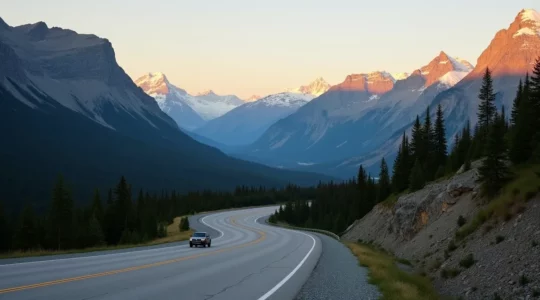
The Ultimate Golden Triangle Itinerary: A Strategic Guide to the Rockies
The secret to a perfect Golden Triangle road trip isn’t just seeing the sights; it’s mastering the logistics to avoid…
Read more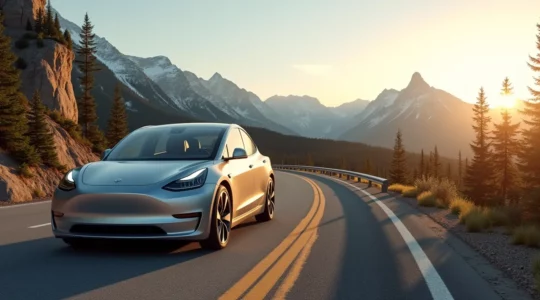
Planning the Ultimate EV Road Trip Across Canada
In summary: Success depends on a “defensive charging” strategy, not just finding chargers. Master buffer management by never using more…
Read more