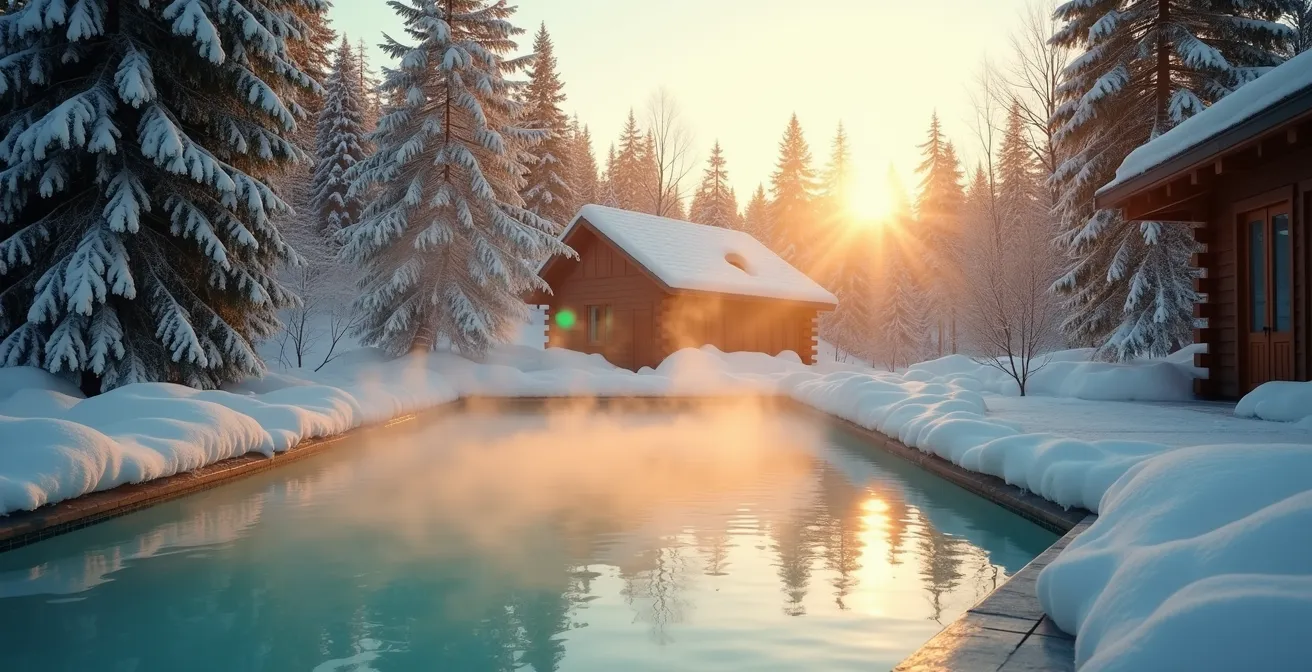
The true benefits of a Canadian Nordic spa are unlocked not just by following the rules, but by understanding the physiological purpose behind them.
- Silence is not just for peace; it is a mandatory tool for mental decompression and a cornerstone of the sanctuary environment.
- The cold plunge is a non-negotiable physiological trigger for circulation and adrenaline release, central to the therapy’s effectiveness.
- Strategic planning regarding hydration, scheduling, and digital boundaries is as crucial as the cycle itself to prevent discomfort and maximize results.
Recommendation: Treat your spa visit as a structured wellness protocol, not a casual social outing, to fully embrace the profound physical and mental reset it offers.
As you step into the crisp air of a Canadian wellness centre, enveloped by the scent of cedar and the quiet hum of nature, you are entering more than just a spa. You are entering a sanctuary built around a centuries-old wellness ritual: the thermal cycle. Many visitors understand the basic sequence—hot, cold, rest, repeat. They come expecting relaxation and perhaps a bit of a challenge with the cold plunge. They see signs asking for silence and assume it’s a polite suggestion for a quiet atmosphere.
But this surface-level understanding misses the entire point. The Nordic thermal experience is not a casual dip in pretty pools; it is a prescribed wellness protocol. The strict etiquette is not arbitrary. Each rule, from the mandatory silence to the non-negotiable cold plunge, is a crucial step in a physiological sequence designed to trigger specific, powerful health benefits. To treat it as anything less is to leave the most profound rewards on the table. The rules are not an obstacle to your enjoyment; they are the very path to it.
This guide moves beyond the “what” and delves into the “why.” As a wellness director, I will explain the non-negotiable principles of the thermal cycle, transforming your understanding from that of a guest to that of an informed participant. We will deconstruct the code of silence, the science of the cold shock, and the practical strategies that separate a pleasant afternoon from a transformative wellness experience. By mastering the protocol, you master the therapy.
Summary: Mastering the Nordic Thermal Cycle: The Unspoken Rules and Core Benefits of Canada’s Top Spas
- The code of silence: why whispering gets you kicked out of relaxation zones?
- Why the cold plunge is non-negotiable for the health benefits?
- Weekdays vs. Weekends: avoiding the waiting list entry on Saturdays?
- Water intake strategies: preventing headaches after 4 hours of sweating
- Swimsuit durability: why spa chemicals ruin expensive fabrics?
- The detox reality: coping with zero Wi-Fi when you need to check emails?
- Altitude dizziness for visitors with heart conditions: knowing the risks
- Renting Mountain Chalets: Avoiding Scams and Managing Group Logistics
The code of silence: why whispering gets you kicked out of relaxation zones?
The most common misunderstanding among first-time visitors is that the silence rule is a gentle suggestion for general peace and quiet. It is not. At authentic Nordic spas across Canada, silence is a foundational, non-negotiable element of the therapeutic experience. It is the very first step in disconnecting from the external world’s overstimulation. Whispering is often treated the same as talking, as it still creates a ripple of social energy that prevents the brain from entering a state of deep rest. Staff are trained to enforce this rule strictly, not to be punitive, but to protect the sanctuary environment for all guests.
The goal is to eliminate communicative stress and allow the nervous system to down-regulate. This mental decompression is as important as the physical benefits of the thermal cycle. An excellent example is the Scandinave Spa in Montreal’s Old Port, known for its strict silence policy and ban on all screens. This approach creates an environment that attracts professionals seeking genuine mental rest, demonstrating that enforced silence is a key feature, not a bug. In these zones, you are meant to be with your own thoughts, not your companion’s.
To adhere to the code, one must plan ahead. Upon entering any designated quiet zone—including saunas, steam rooms, relaxation pavilions, and the pools themselves—all conversations must cease. Electronic devices should be left in your locker or, at a minimum, switched to airplane mode. Communication should be limited to hand gestures or reserved for designated social areas like the bistro. Moving slowly and deliberately in the water prevents splashing and further preserves the tranquility. This isn’t about being anti-social; it’s about respecting the collective goal of profound relaxation.
Why the cold plunge is non-negotiable for the health benefits?
The moment of truth in any thermal cycle is the step from the enveloping heat of a sauna into the sharp, biting cold of a plunge pool. For many, this is a moment of dread, a challenge to be endured or even skipped. This is the second critical misunderstanding. The cold plunge is not an optional “bravery test”; it is the physiological trigger that unlocks the primary benefits of the entire cycle. As experts from Quebec’s Nordik Spa Village in Chelsea emphasize, “While the cold may be daunting, it must be done if you want to reap the full benefits of thermotherapy.” The shock is the point.
This brief—we’re talking seconds—but intense step triggers a thermal shock, causing your body to release adrenaline and improve blood circulation. While the cold may be daunting, it must be done if you want to reap the full benefits of thermotherapy.
– Nordik Spa Village Chelsea, Your Complete Guide to the Thermal Cycle
When you exit the heat, your blood vessels are dilated (vasodilation). Plunging into cold water—typically maintained between 50-60°F (10-15°C) in most Canadian spas—forces an immediate and powerful constriction of those vessels (vasoconstriction). This process flushes metabolic waste from the muscles, reduces inflammation, and stimulates the release of endorphins and adrenaline, creating a feeling of exhilaration and mental clarity. Skipping this step is like baking a cake and never putting it in the oven; you’ve done the prep work but missed the transformative event.
To manage the initial shock, breathing is key. Instead of holding your breath and tensing up, adopt a controlled breathing protocol. Before entering, take 30 deep, quick breaths. On the final exhale, step into the water. Once submerged, immediately begin slow, controlled nasal breaths. This signals to your nervous system that you are in control, mitigating the panic response. Aim for a minimum of 15-30 seconds, exiting calmly to a relaxation area where your body will begin the final, crucial phase of re-stabilization.
Weekdays vs. Weekends: avoiding the waiting list entry on Saturdays?
The serene images of empty pools and quiet solariums used in marketing materials can set a false expectation for a Saturday afternoon visitor. The reality of Canadian Nordic spas is that they are immensely popular, and peak times often involve waitlists and crowded facilities, which can undermine the very tranquility you seek. Understanding the flow of guests and engaging in strategic scheduling is crucial for an optimal experience. A Saturday visit is a fundamentally different experience from a Tuesday morning one.
As a wellness director, I always advise guests to avoid Saturdays altogether if their primary goal is deep relaxation. This is the peak day for groups, bachelorette parties, and tourists, often resulting in wait times exceeding 30 minutes just to enter. Instead, consider a weekday morning, which is typically the quietest period, favoured by seniors and remote workers. If a weekend is your only option, Sunday mornings before 11 a.m. offer a quieter window before the afternoon rush.
Many spas in Canada have developed pricing strategies to manage crowds. A key insider tip is to look for “twilight rates,” often offered after 4 p.m. on weekdays. As daytime guests depart, you can enjoy smaller crowds and reduced admission fees, making it an excellent option for after-work relaxation. This approach requires a simple shift in mindset: planning your spa visit with the same strategic thought you’d apply to booking a flight or a popular restaurant.
The following table illustrates the typical crowd levels at major Canadian spas, providing a clear guide for planning your visit to avoid disappointment and maximize tranquility.
| Day/Time | Crowd Level | Wait Times | Best For |
|---|---|---|---|
| Monday-Thursday Morning | Very Low | No wait | Seniors, remote workers |
| Friday Evening (After 5pm) | Moderate | 5-10 min | After-work relaxation |
| Saturday All Day | Very High | 30+ min | Groups, special occasions |
| Sunday Morning (Before 11am) | Low-Moderate | Minimal | Early risers seeking quiet |
Water intake strategies: preventing headaches after 4 hours of sweating
One of the most common complaints from guests after a long spa session is a lingering headache. This is almost never due to the heat or cold itself, but is a classic sign of dehydration. An extended thermal cycle is an athletic endeavor for your circulatory system. You can lose a significant amount of fluid and electrolytes through intense sweating in saunas and steam rooms. Simply drinking water when you feel thirsty at the spa is too little, too late. A proactive hydration protocol is essential.

Hydration for a spa day should begin 24 hours prior. Aim to drink 2.5 to 3 liters of water the day before your visit. Critically, you are losing not just water but also minerals. Add a pinch of high-quality sea salt to a glass of water, or better yet, embrace a Canadian staple: maple water. On the morning of your visit, and a couple of hours before arrival, consuming 500ml of maple water or coconut water will pre-load your body with the natural electrolytes needed to prevent depletion.
During the thermal cycles, the strategy shifts from large quantities to consistent sips. Keep a water bottle with you and drink 100-150ml of water between each hot phase. Avoid chugging large amounts, as this can be uncomfortable and less effective for cellular hydration. After your session, continue to rehydrate for several hours, alternating between water and unsweetened herbal teas to continue the flushing process without over-diluting your system. This disciplined approach to water intake is the difference between leaving energized and leaving with a throbbing headache.
Swimsuit durability: why spa chemicals ruin expensive fabrics?
A frequent and frustrating issue for regular spa-goers is the rapid deterioration of their swimwear. Expensive, high-fashion swimsuits can become discoloured, brittle, and lose their elasticity after just a few visits. This isn’t due to poor quality but a misunderstanding of the harsh environment of a commercial spa pool. To maintain impeccable hygiene for thousands of guests, spas use robust sanitation systems whose chemical compounds are aggressive towards delicate fabrics like Lycra and Spandex.
The type of sanitation system directly impacts fabric life. While home pools might use lower levels of chemicals, commercial spas require more powerful solutions to ensure public health. Chlorine is the most common and also the most damaging, breaking down fabric fibers relatively quickly. Bromine, often used in hotter water, is slightly less aggressive but still damaging. More premium, eco-focused spas are shifting towards salt water or ozone systems, which are significantly gentler on both skin and swimwear, but they are not yet the standard across all Canadian facilities.
Understanding this chemical reality is key. It’s wise to designate a specific, durable, and less expensive swimsuit for spa use, saving your premium swimwear for the beach. Fabrics with a higher percentage of polyester (often marketed as “chlorine-resistant”) will always outlast those with high elastane content. The following table breaks down the impact of common spa water treatments on your swimsuit’s longevity.
| Sanitation Type | Fabric Damage Level | Common in Canadian Spas | Fabric Life Expectancy |
|---|---|---|---|
| Chlorine | High | Most common | 3-6 months |
| Bromine | Moderate-High | Indoor facilities | 4-8 months |
| Salt Water | Low-Moderate | Premium spas | 8-12 months |
| Ozone | Very Low | Eco-spas | 12+ months |
Your Swimsuit Rescue Checklist: A 4-Step Ritual
- Rinse immediately: Within five minutes of exiting the pools, rinse your suit thoroughly under cold tap water to remove the majority of chemicals.
- Neutralize chemicals: Soak the suit for 10-15 minutes in a solution of 1 litre of cold water mixed with 2 tablespoons of white vinegar. This helps neutralize residual chlorine or bromine.
- Remove excess water gently: Gently squeeze the suit to remove water. Never wring or twist it, as this breaks the delicate fibers. Roll it in a clean towel to absorb more moisture.
- Air dry properly: Lay the swimsuit flat to dry in a shaded, well-ventilated area. Direct sunlight will accelerate fabric degradation and cause colours to fade.
The detox reality: coping with zero Wi-Fi when you need to check emails?
For many professionals, the idea of being completely disconnected for several hours induces more anxiety than relaxation. The “no Wi-Fi” rule in most thermal areas is a deliberate part of the digital detox reality. This policy forces a mental break from the constant stream of notifications, emails, and social media updates that keep our nervous systems in a state of high alert. While most Canadian spas offer Wi-Fi in their main lodges or bistros, the core experience areas are intentionally offline sanctuaries.
Coping with this requires setting clear boundaries before you even arrive. If you absolutely must be reachable for emergencies, communicate this clearly to your team or family. Set up an out-of-office auto-reply stating that you are at a digital detox retreat and will respond upon your return, providing an emergency contact for truly urgent matters. A simple message like, “Currently offline for a wellness day. For emergencies, please contact [colleague’s name],” sets expectations and allows you to disengage without guilt.
The key is to replace the phone-checking habit with an “analog anchor.” Bring a physical book or a journal—things that are permitted in relaxation areas where e-readers are often banned. This gives your mind something to focus on during rest periods without resorting to a screen. If the urge to check your phone becomes overwhelming, limit yourself to one single, five-minute check-in at the designated Wi-Fi zone during your entire visit. This structured approach allows you to honor the detox principle while managing professional responsibilities, embracing the cultural shift towards immersive, restorative experiences.
Altitude dizziness for visitors with heart conditions: knowing the risks
Many of Canada’s most spectacular Nordic spas are nestled in mountain environments, offering breathtaking alpine scenery. However, this beauty comes with a physiological consideration that visitors, especially those from lower elevations or with pre-existing heart conditions, must not ignore: altitude. The reduced oxygen levels at higher elevations can place additional stress on the cardiovascular system, a risk that is amplified by the intense vasodilation and vasoconstriction of the thermal cycle.
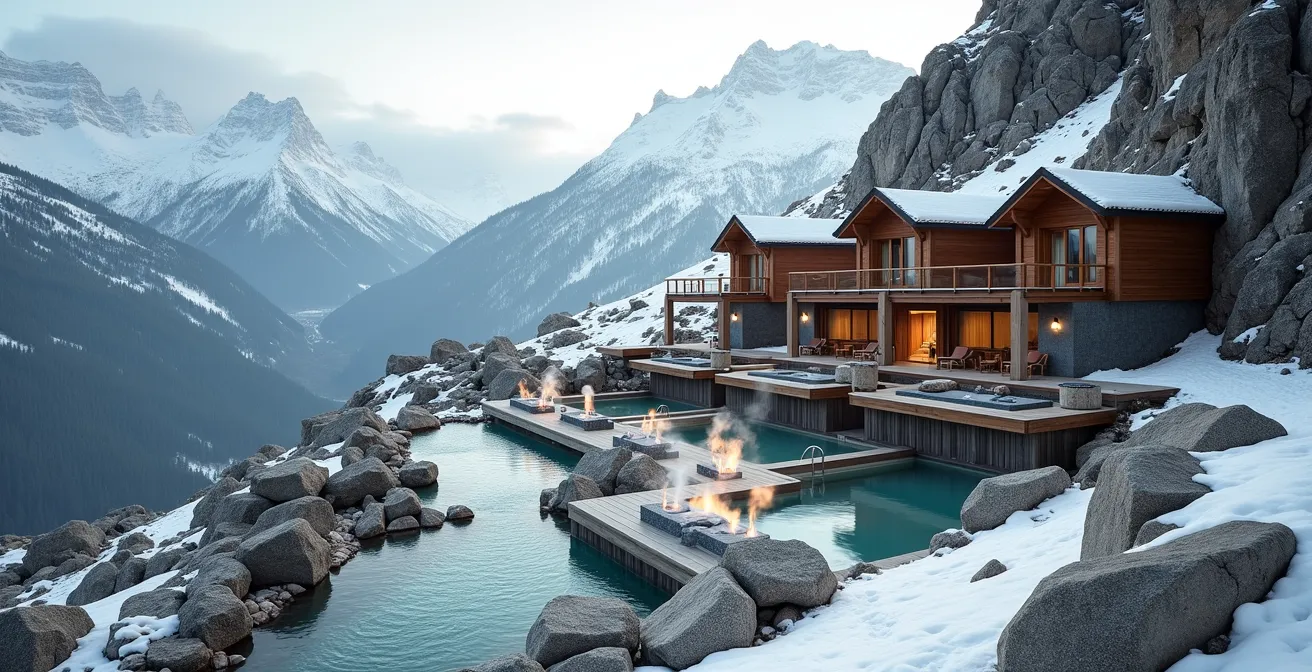
For example, the stunning Kananaskis Nordic Spa in Alberta sits at an elevation of 1,400 meters (4,593 feet). For a tourist arriving from a sea-level city, engaging in an intense thermal cycle on the first day can lead to symptoms like dizziness, headache, nausea, or unusual fatigue. These are signs that the body is struggling to acclimatize. For individuals with cardiovascular conditions, this additional strain is a serious health risk. It is absolutely imperative that anyone with a heart condition, high blood pressure, or other circulatory issues consult their physician before booking a visit to a high-altitude spa.
Proper acclimatization is key to a safe and enjoyable experience. If possible, arrive in the mountain region at least 24-48 hours before your spa visit to allow your body to adjust. During this time, and at the spa, significantly increase your water intake by at least 50%. On your first thermal cycle, reduce your time in the saunas and steam rooms to 5-7 minutes, instead of the standard 10-15, and pay close attention to how your body feels. At the first sign of dizziness or unusual shortness of breath, you must exit the thermal area immediately and rest. Safety must always be the priority.
Key Takeaways
- Silence is a therapeutic tool, not just a rule. Its strict enforcement is designed to enable profound mental decompression.
- The cold plunge is the mandatory physiological climax of the cycle, essential for triggering benefits like improved circulation and reduced inflammation.
- Proactive planning around scheduling, hydration, and digital detox boundaries is as important as the cycle itself for a successful and restorative experience.
Renting Mountain Chalets: Avoiding Scams and Managing Group Logistics
For many wellness tourists, particularly groups, the spa visit is the centerpiece of a longer mountain retreat. Renting a nearby chalet is a popular way to extend the experience, but this logistical step comes with its own set of challenges, from managing group expectations to avoiding rental scams. A poorly planned accommodation can easily sour an otherwise blissful getaway. The key is to integrate your spa and lodging plans from the outset.
Many premier Canadian spas, such as Scandinave Spa Mont-Tremblant, have established partnerships with reputable local chalet rental agencies. Booking through these official channels or well-known agencies with a physical presence and proper business licenses is the safest route. This approach often provides access to group discounts and guaranteed spa entry slots, as seen in successful packages for large groups. It is crucial to avoid peer-to-peer rental deals on unverified classified sites, which are hotbeds for scams that can leave you without lodging and out of pocket.
Coordinating logistics for a group requires a designated leader. This person should be responsible for collecting funds, communicating with the rental agency, and confirming the spa booking. When choosing a chalet, consider not just the price but the proximity to the spa and the amenities offered. A chalet with a full kitchen can help manage food costs, while one with a private hot tub can complement the spa experience. Understanding the regional market is also helpful, as peak seasons and pricing vary significantly between popular destinations like Mont-Tremblant, QC, Blue Mountains, ON, and Canmore, AB.
| Region | Peak Season | Avg Chalet Price/Night | Distance to Spa |
|---|---|---|---|
| Mont-Tremblant, QC | Dec-March | $800-1500 | 5-15 min |
| Blue Mountains, ON | Jan-Feb, July-Aug | $600-1200 | 10-20 min |
| Canmore, AB | June-Sept, Dec-March | $700-1400 | 15-25 min |
To create a truly transformative wellness journey, it is essential to plan all aspects of your trip with intention. Begin by consulting local tourism boards and official spa partners to identify verified accommodation providers and create a seamless, stress-free itinerary from start to finish.