Discover Canada: Geography, people, and seasonal travel
Canada extends from the Atlantic to the Pacific and Arctic coasts. It features dramatic seasonal contrasts, Rocky Mountain peaks, boreal forests, and coastlines. The nation is a federation of ten provinces and three territories, defined by multiculturalism and English-French bilingualism.
01
Metropolitan areas and major urban centres
Travelers explore diverse cultures within vibrant metropolitan urban centres.
02
Diverse natural regions and ecosystems
Outdoor enthusiasts discover vast ecosystems, from prairies to tundra.
03
Provincial and territorial framework
Every region showcases distinct Indigenous heritage and local cultural identity.
Exploring Canada through its major cities and regions

The Atlantic provinces and coasts
This region includes Nova Scotia, New Brunswick, Prince Edward Island, and Newfoundland, known for Maritime hospitality, fishing villages, and historic lighthouses.

Central Canada urban hubs
Quebec and Ontario housing major centres like Ottawa, the nation’s capital, reflect the country’s Francophone heritage, Parliament Hill, and museum districts.

The Pacific region and mountains
British Columbia features Vancouver, nestled between Coast Mountains and the ocean, serving as a gateway to outdoor recreation and Indigenous art galleries.
Itineraries and Road Trips
Planning scenic road trips and iconic travel itineraries
The vast size supports sustainable driving routes covering diverse landscapes. Planning an itinerary involves selecting regions, such as Rocky Mountain loops. These routes, like the Trans-Canada Highway, connect interest points and offer access to campsites and hiking trails along the way.

The breathtaking Icefields Parkway driving journey
A famous Alberta route connects Banff and Jasper national parks, offering views of ancient glaciers, turquoise lakes, and wildlife viewing opportunities.

Quebec’s scenic Route des Navigateurs drive
This route follows the St. Lawrence River south shore, passing through artisanal villages that showcase the province’s New France architecture and rural charm.

British Columbia’s Sea-to-Sky highway adventure
Connecting Vancouver to Whistler, this highway offers dramatic views winding into the mountains, with access points for gondola rides and alpine skiing.
Journey and stay: Booking transport and accommodation options
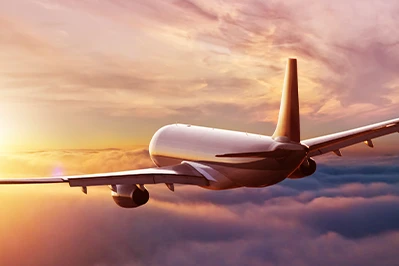
Domestic flights and regional air connections
Major airports in Toronto, Vancouver, and Montreal connect regions efficiently, providing quick access to bustling cities and fly-in fishing resorts.
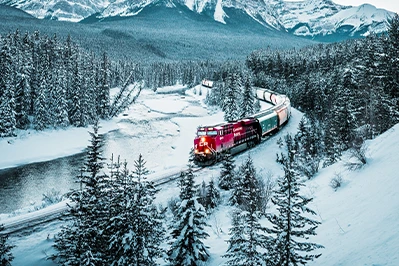
Rail journeys and sleeper cabin comfort
Iconic trains like “The Canadian” offer berths and onboard dining, turning long-distance travel into a unique, scenic luxury hotel experience on rails.
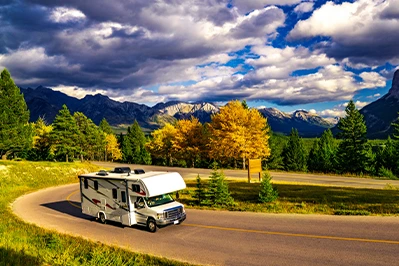
Epic road trips and campervan adventures
Renting a car gives travelers freedom. The Trans-Canada Highway leads to charming motels, mountain chalets, and lakeside campgrounds along the route.
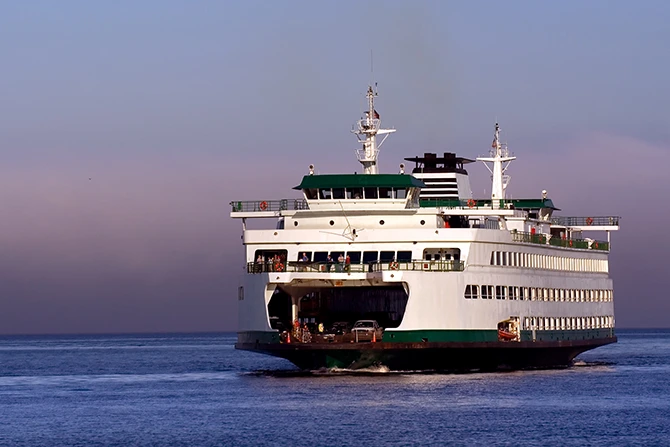
Coastal Ferries and seaside Island Stays
Ferries in British Columbia and Atlantic Canada connect islands where travelers find cozy guesthouses, glamping sites, or boutique inns.
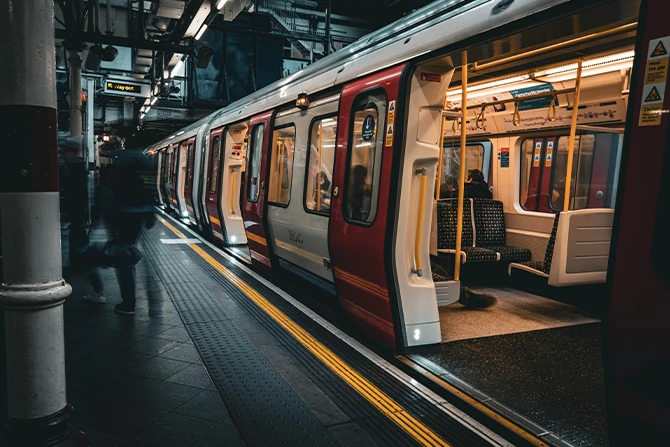
Urban Transit and downtown City Comfort
Efficient subways and streetcars make it easy to explore cities and reach luxury suites, youth hostels, or vacation rentals in lively neighborhoods.
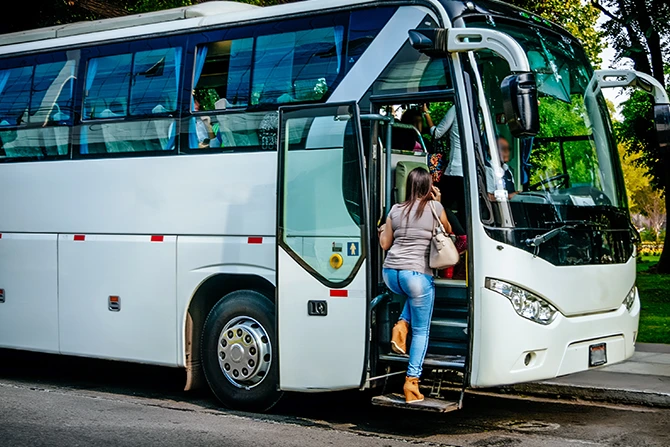
Intercity Buses and affordable Lodging
Bus services link smaller towns and budget motels, ensuring every traveler can rest comfortably while exploring Canada’s off-the-beaten-path gems.
Activities and Leisure
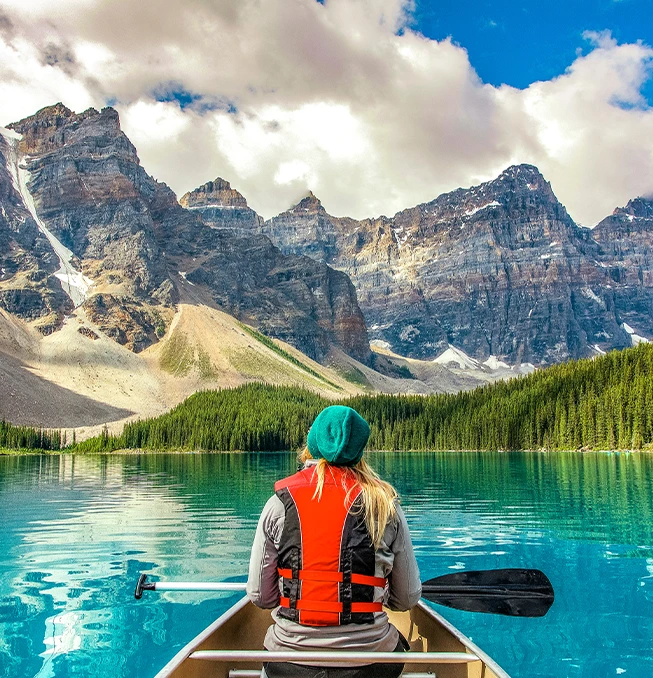
Exploring outdoor recreational experiences across Canada
Culture and traditions
Indigenous heritage and the cultural fabric of society
Culture is a mosaic shaped by First Nations, colonial history, and global immigration. Diversity reflects in arts and museums. Indigenous tourism is celebrated through guided experiences. The country’s official bilingualism remains a defining characteristic, particularly prominent in Quebec and New Brunswick.

Cuisine and local specialties